
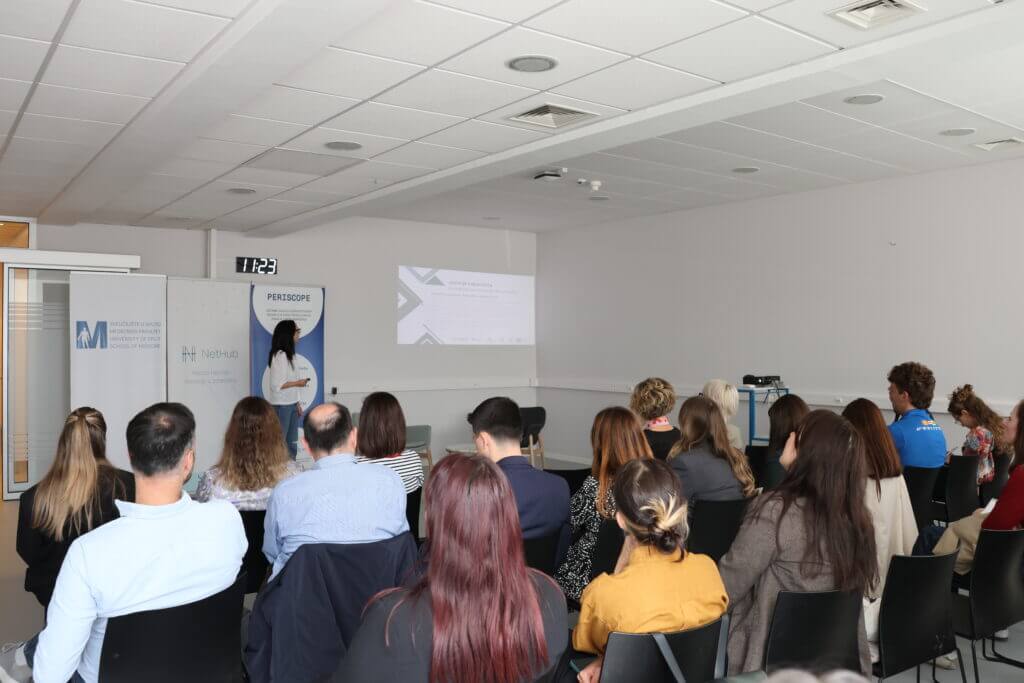
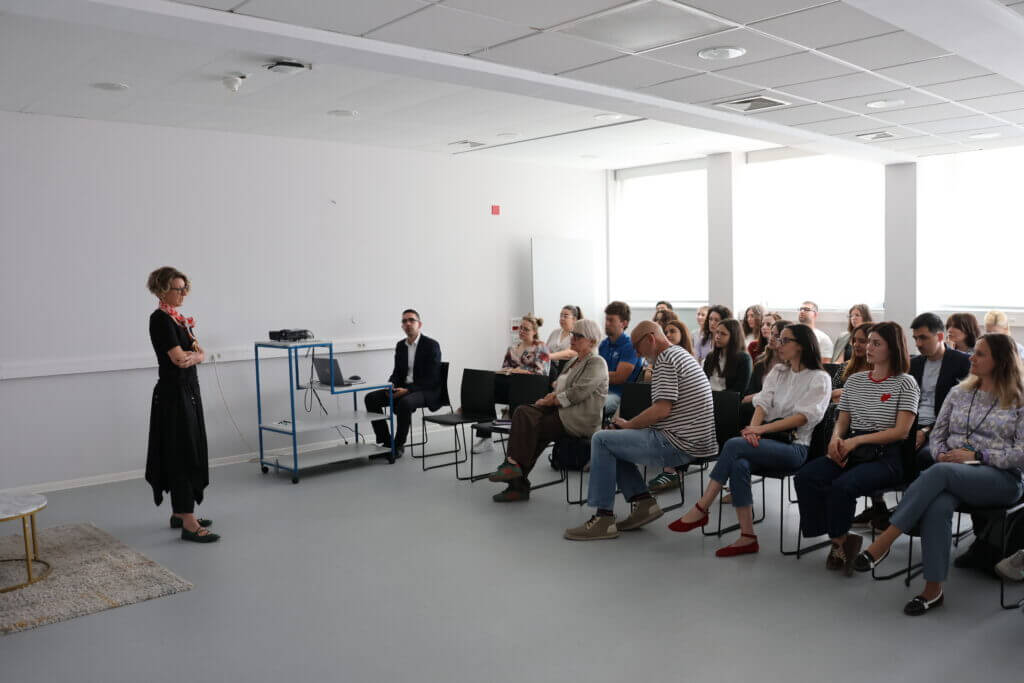


The ninth edition of the Healthtech Adria Meetup, held on May 5, 2026, at the Clinical Skills Center of the School of Medicine in Split, was dedicated to the topic Proof of Concept in Cancer Research. The event was jointly organized by NetHub, the School of Medicine in Split, and the University of Split, bringing together researchers, clinicians, and stakeholders interested in the development of healthcare innovation.
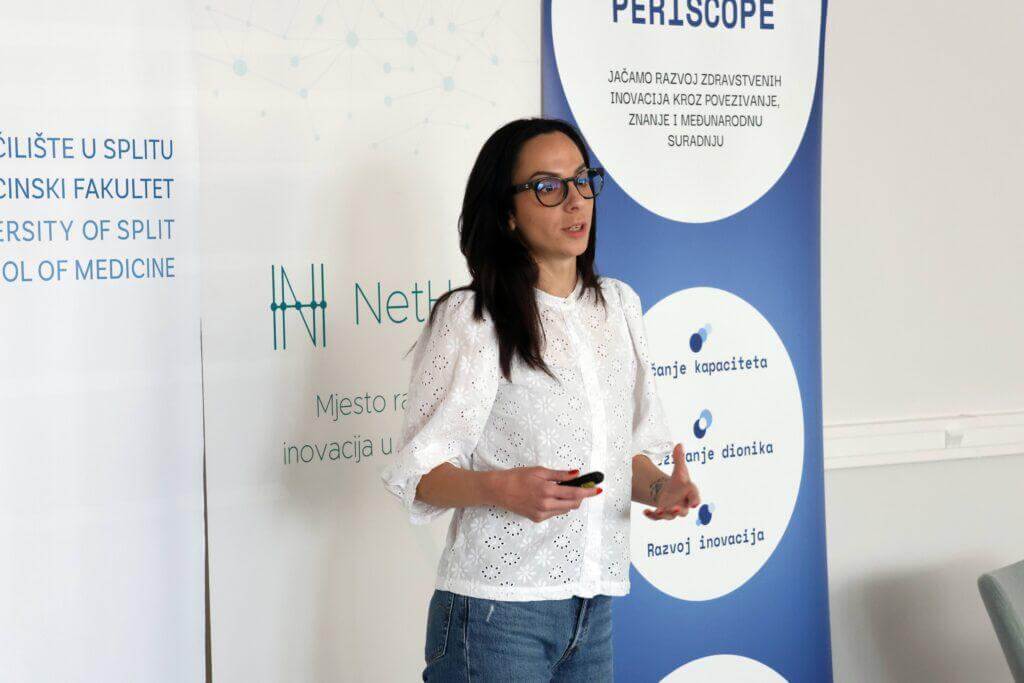
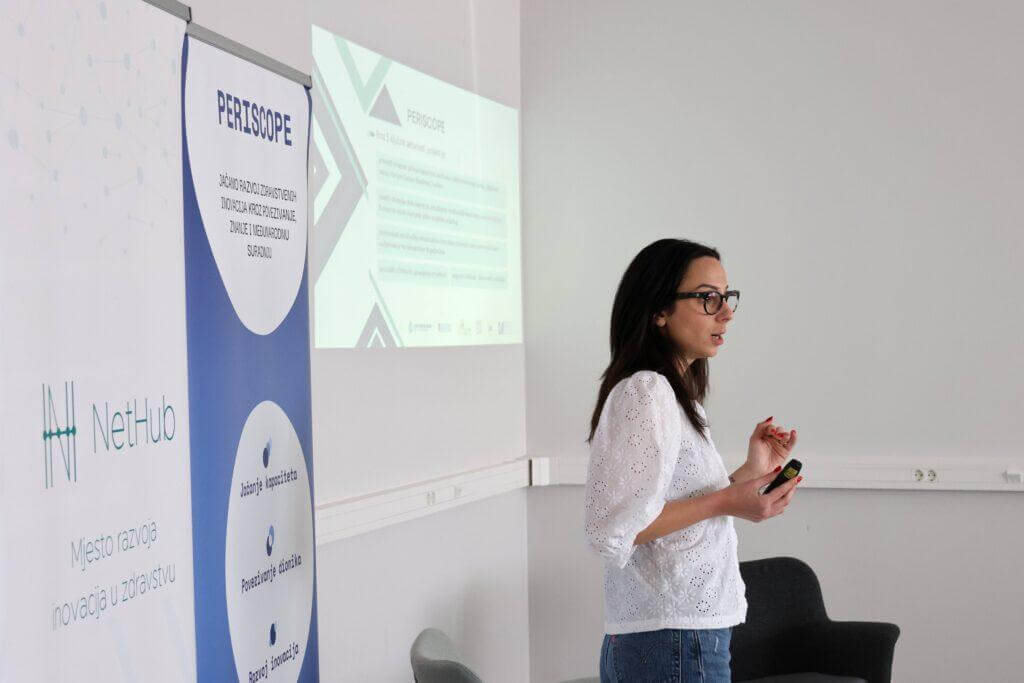
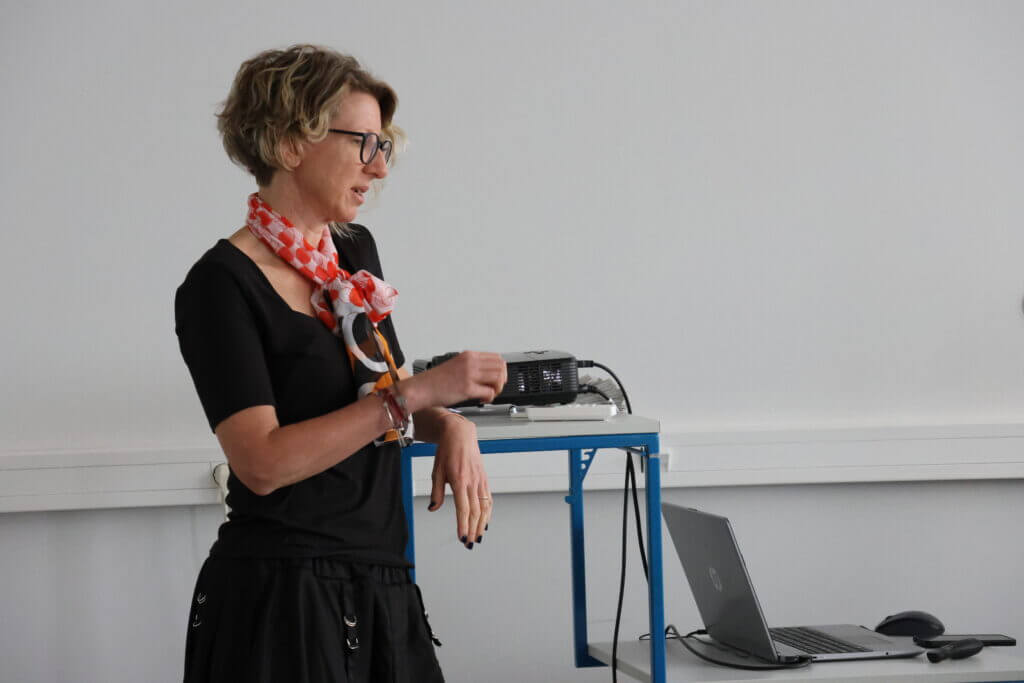
The Meetup program was structured around two complementary perspectives: systemic support for the development of research ideas and the concrete application of the Proof of Concept (PoC) approach in clinical research. The introductory lecture was given by Maja Mimica, who presented specific support mechanisms for researchers preparing Horizon Europe projects through the PERISCOPE project. PERISCOPE aims to strengthen the capacities of the University of Split and the School of Medicine for international project participation, focusing on better utilization of existing research infrastructure and the development of competitive project proposals. The project develops tools and activities that help researchers transition from an idea to a project application more easily.
The project includes a research capacity mapping process, identification of relevant Horizon Europe opportunities, and the systematic development of project ideas through structured work with researchers. A series of educational sessions are also conducted within the Horizon Europe Readiness Toolkit, covering topics such as project proposal development, project management, intellectual property, and open science, all aimed at increasing researcher readiness for international projects.
During the lecture, Maja particularly emphasized that the development and application of innovations are based on collaboration between researchers, institutions, and industry partners, and that such synergies are a key prerequisite for strengthening research and innovation capacities.
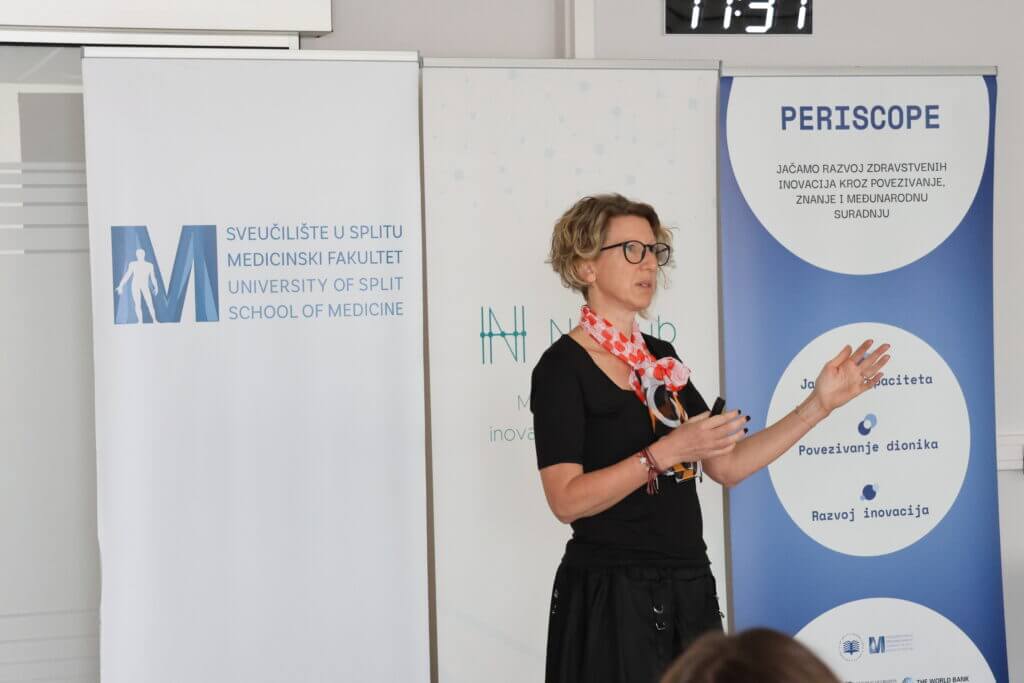
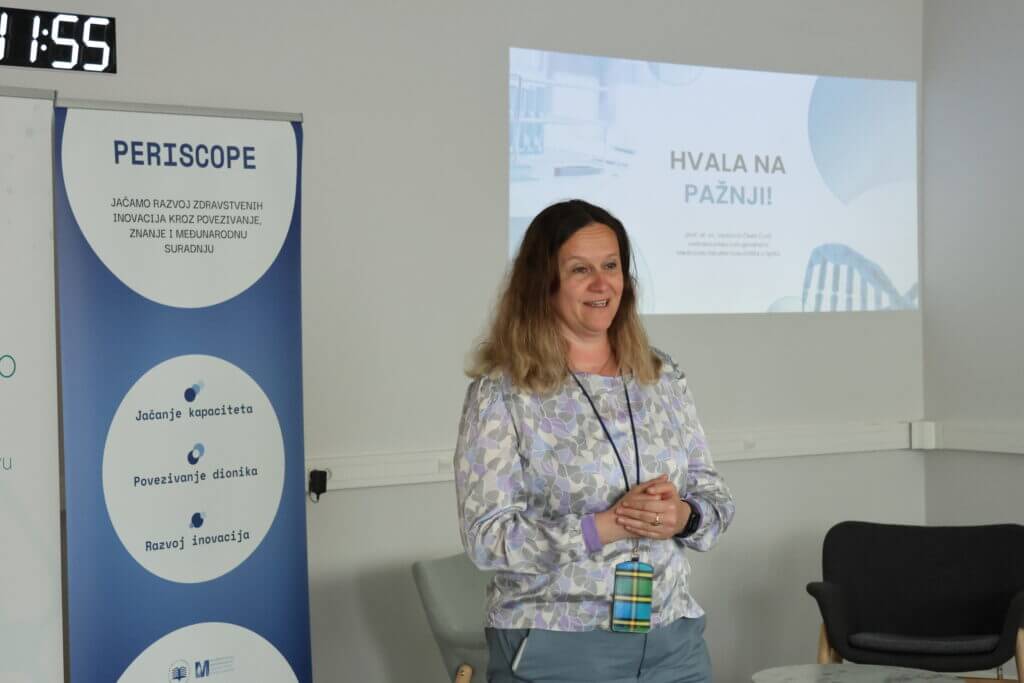
In the following part of the program, Prof. Vedrana Čikeš Čulić, PhD, presented a specific PoC project in the field of cancer research, showcasing the path from an initial scientific hypothesis to the laboratory validation phase. Through a detailed presentation of the methodology and experimental approach, the crucial role of PoC was highlighted as the stage where the functionality and applicability of an innovative solution are first verified under controlled conditions.
It was specifically emphasized that PoC projects do not represent the end of the research process, but rather its turning point—the moment when a decision is made on further development, including the transition to preclinical and clinical trials and potential industry collaboration. In this context, challenges researchers face were addressed, such as technical risks, the complexity of biological systems, and the translation of results from the lab to clinical practice, stressing the importance of an interdisciplinary approach and early consideration of research application. Vedrana pointed out that developing PoC projects requires significant support from institutions and experts who understand the processes of project documentation preparation, research validation, and further innovation development.
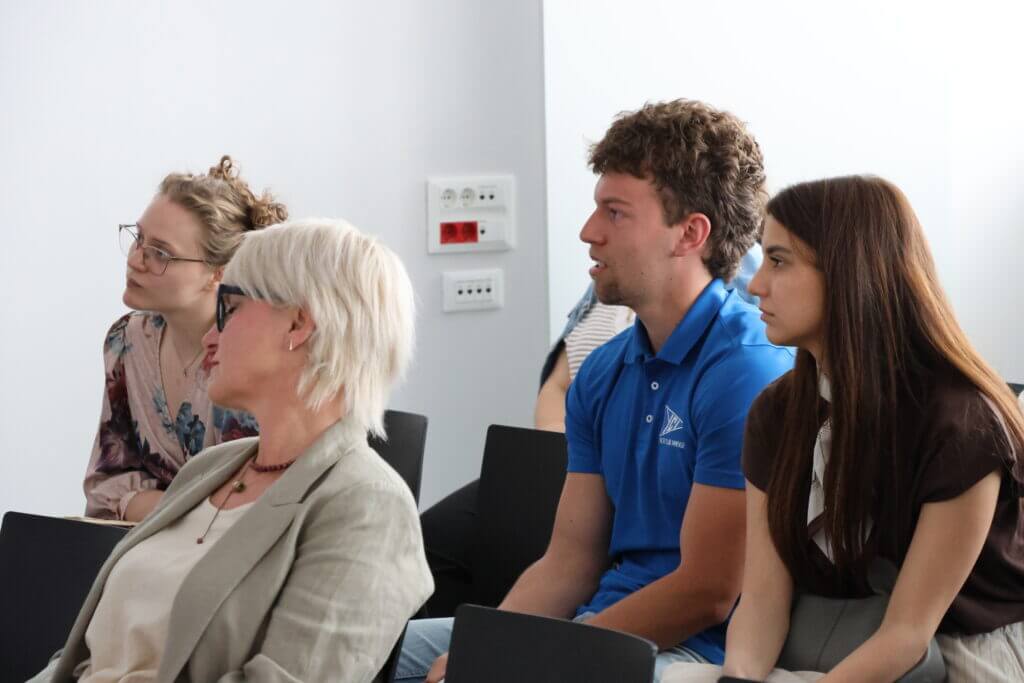
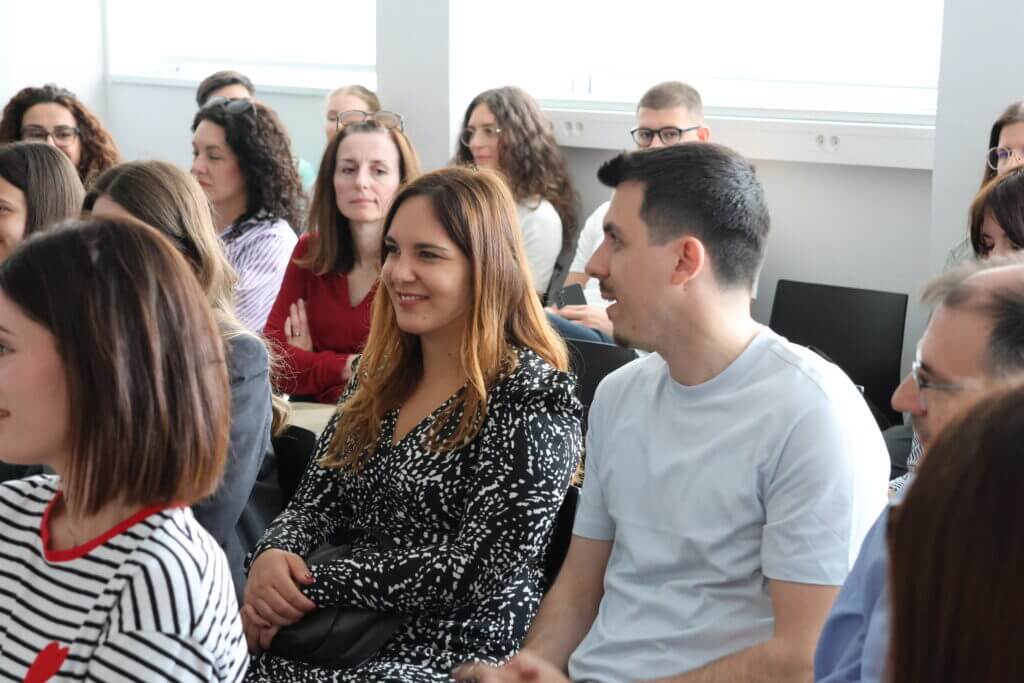
The program concluded with a moderated discussion between the speakers, which further delved into key themes presented during the lectures, with a special focus on practical aspects of developing PoC projects, challenges in validating research ideas, and the transition from the laboratory to application. This was followed by a Q&A session with the audience, where participants actively engaged through questions and comments, drawing from their own research and clinical experiences.
At the very end of the event, Prof. Katarina Vukojević, PhD, Vice-Dean for Science, Postgraduate Studies, and International Cooperation at the School of Medicine in Split, announced that a new PoC call is expected to be published by the end of the month, representing a significant opportunity for researchers interested in developing and validating innovative ideas and their further transfer to application and the market.
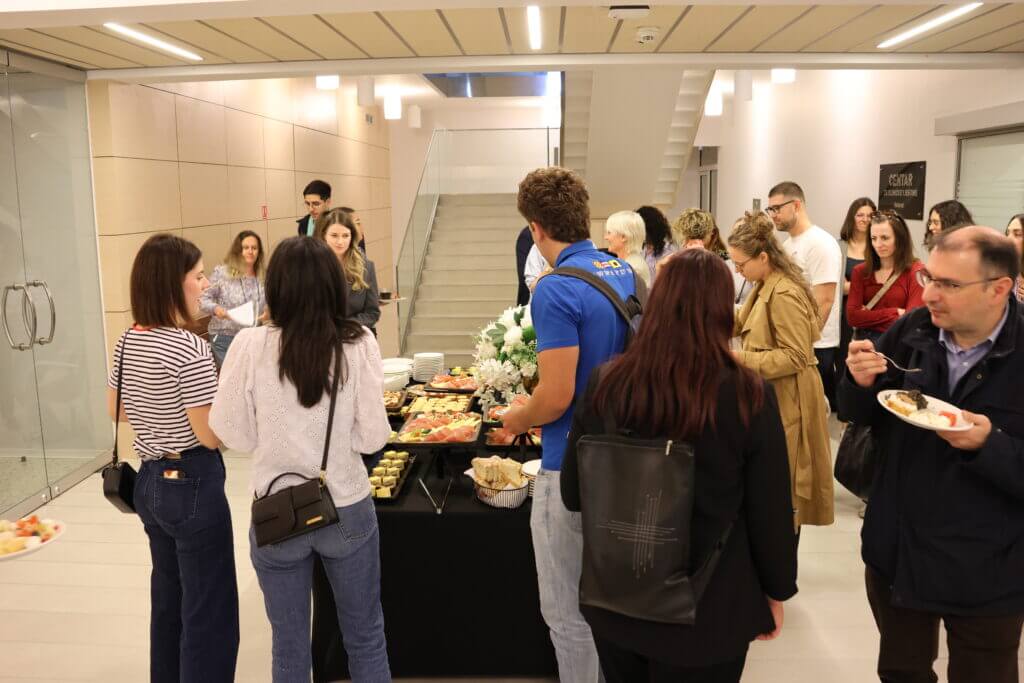
The final part of the Meetup was dedicated to networking, where conversations naturally continued toward concrete ideas and potential collaborations in a more relaxed atmosphere, accompanied by catering from the Student Center Split.
In this context, the Healthtech Adria Meetup and the PERISCOPE project demonstrate the importance of systematically investing in research capacity development and creating an environment where researchers have support for the development and validation of their ideas. By connecting science, clinical practice, and development programs, these formats contribute to strengthening the healthcare innovation ecosystem and open space for concrete, applicable solutions.
At the same time, such events further confirm Split’s position as an increasingly relevant hub for healthcare innovation development and the gathering of the research and professional community, with a visible interest in topics that bridge science, medicine, and the development of new technologies.