



The second day of Healthtech Adria 2026 shifted the focus towards startups, investment, commercialisation and scale, bringing founders, investors, healthcare organisations and innovation ecosystems together around one central question: what does it take to turn a strong healthtech solution into a company that can grow beyond its home market?
At the centre of the day was the first regional edition of the HealthTech Adria Awards, which brought together 14 healthtech startups from six Southeast European countries – Croatia, Slovenia, Serbia, Bosnia and Herzegovina, Montenegro and Kosovo. The expansion marked an important step forward for the programme, transforming the Awards from a national competition into a shared regional platform for promising healthtech teams from Southeast Europe.
The regional programme was delivered by NetHub together with Technology Park Ljubljana, Verlab Institute, Health Tech Lab, HiSpaceKosovo and Brain Code, creating a joint pipeline through which startups from six different ecosystems reached the final stage in Split.
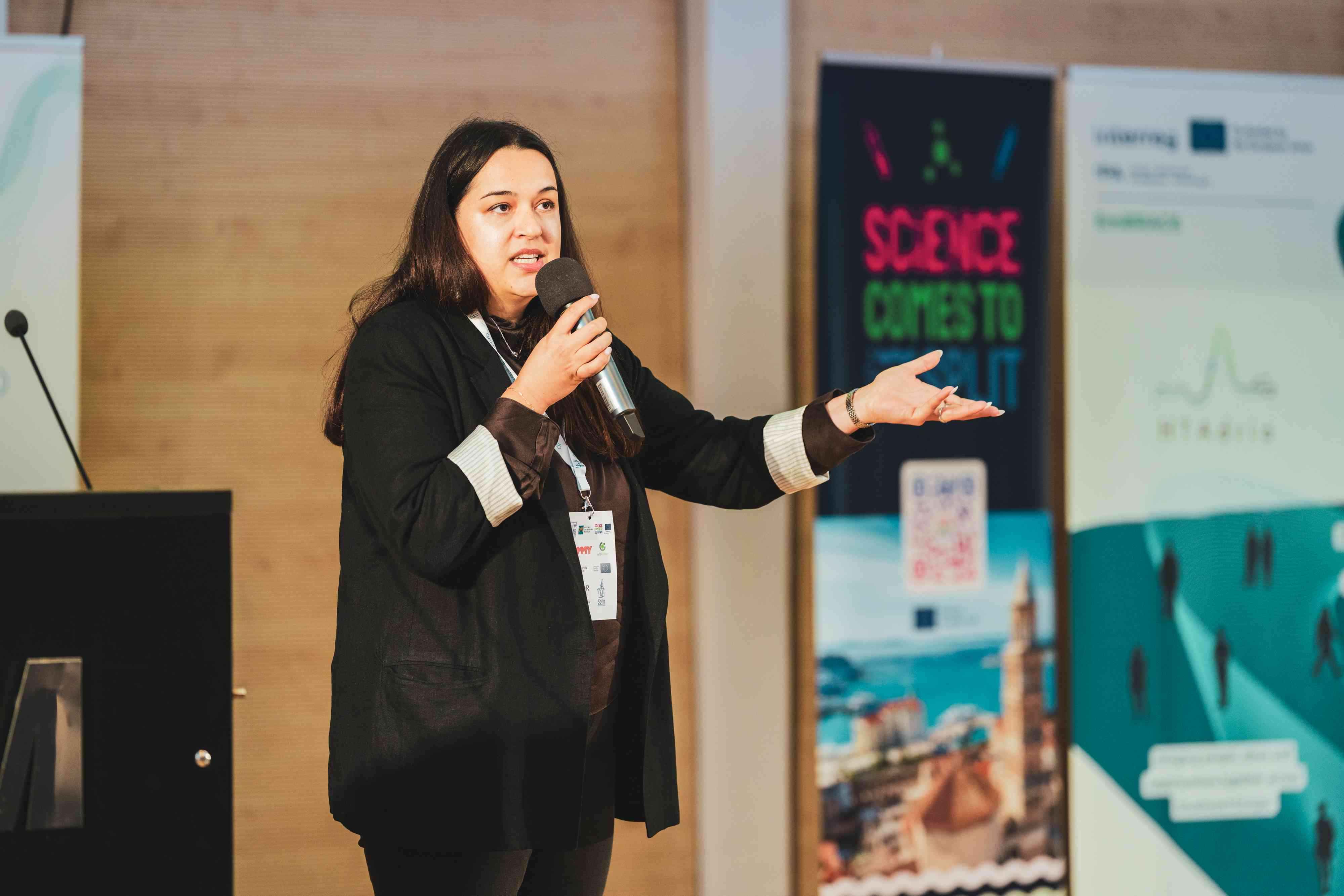
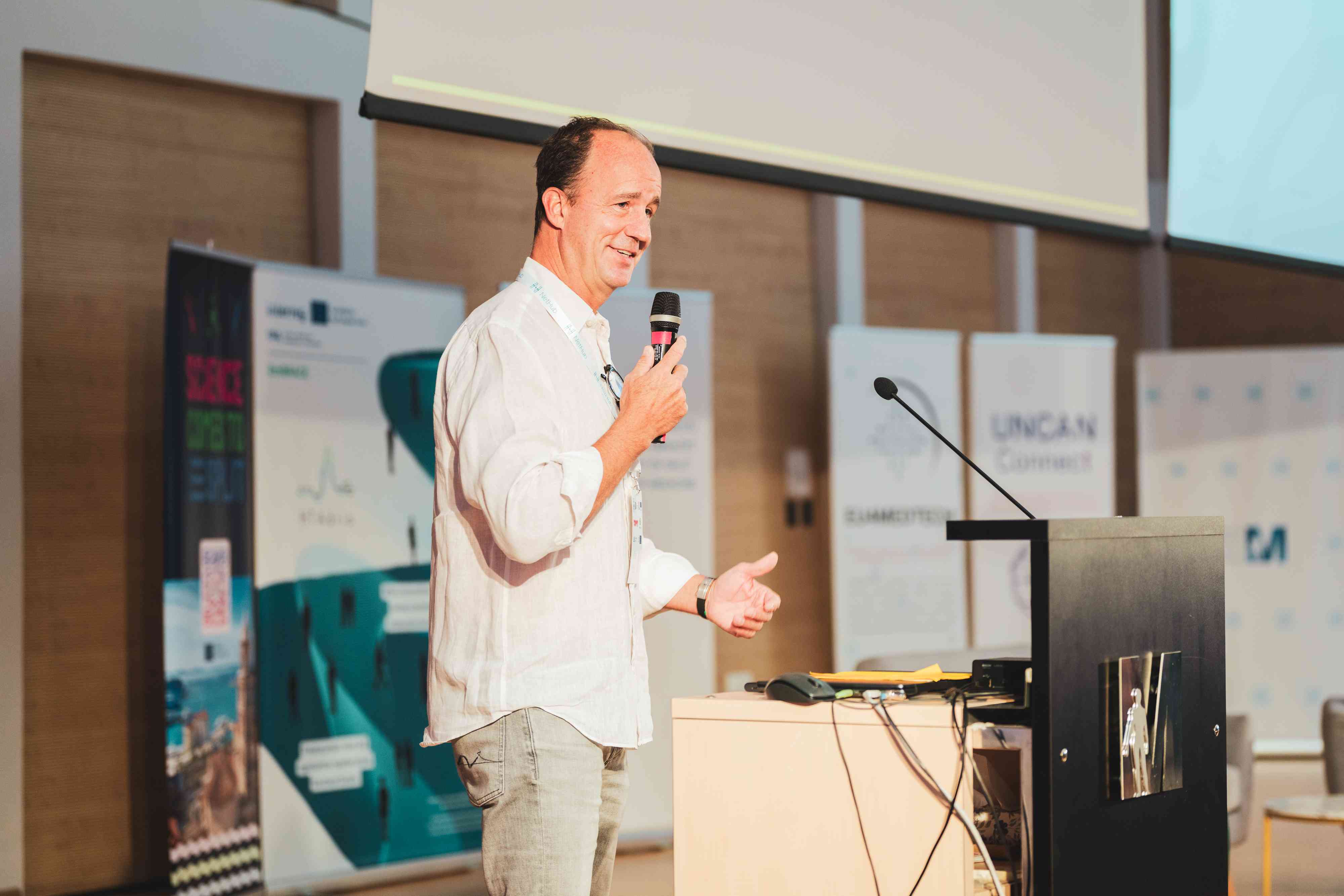
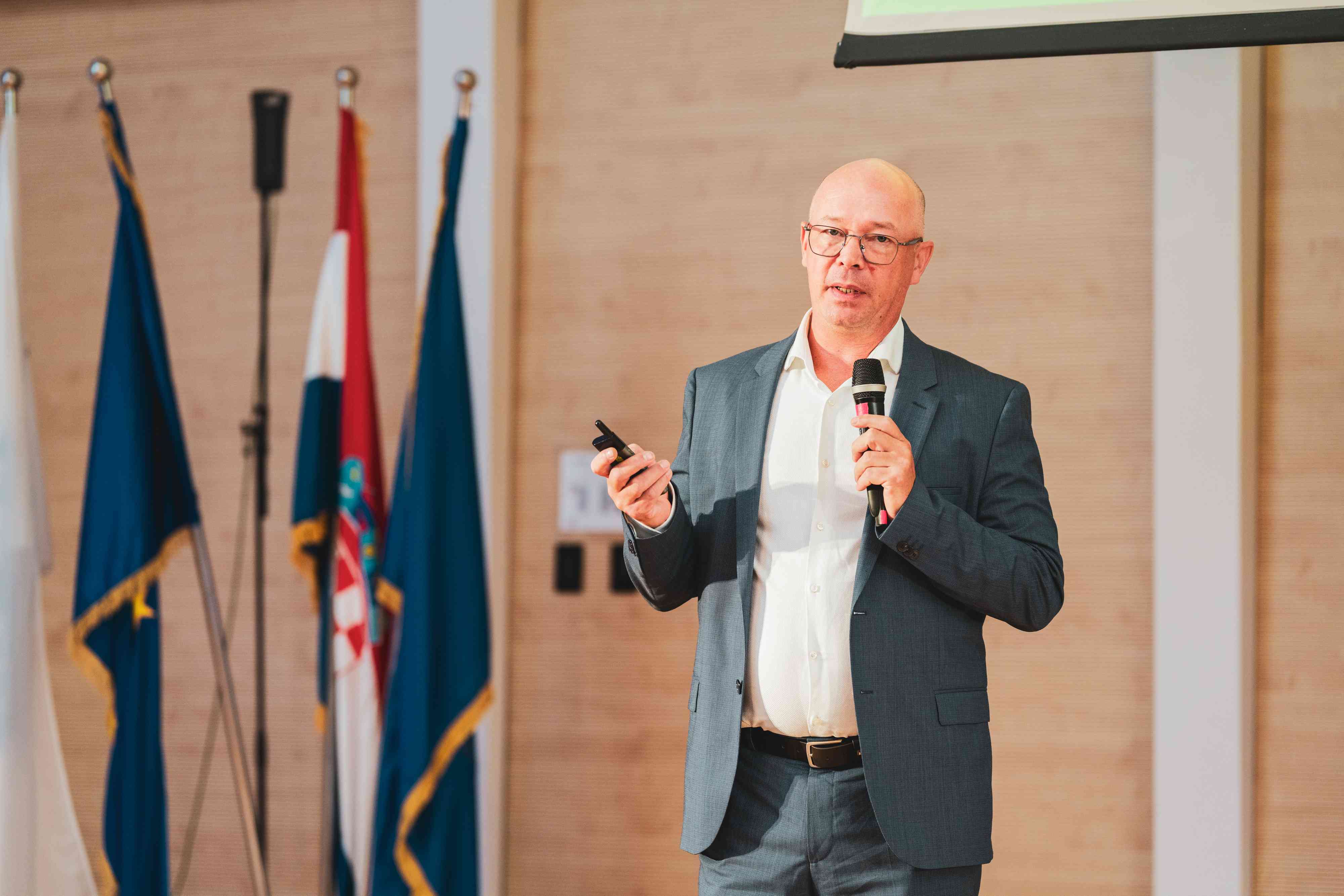
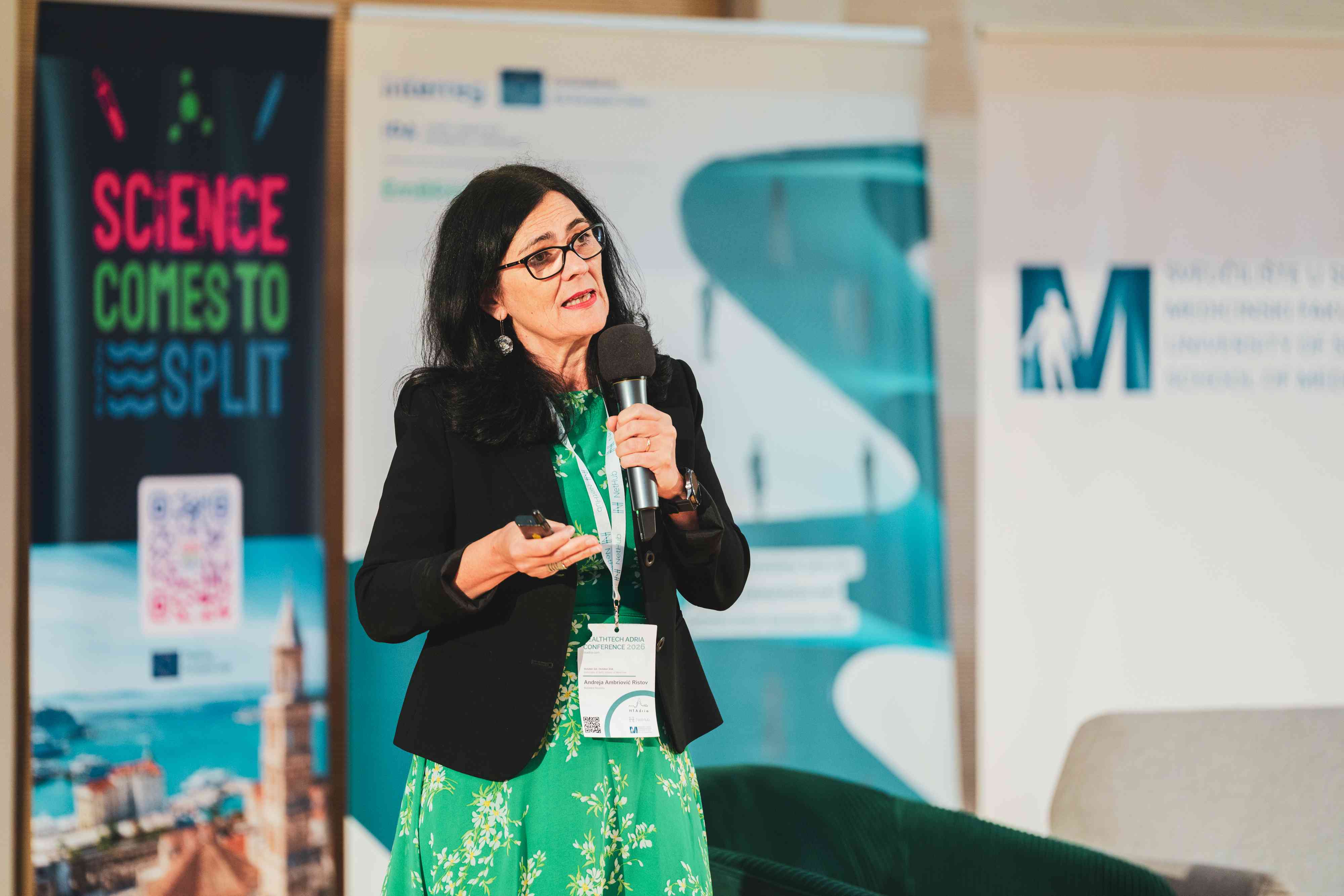
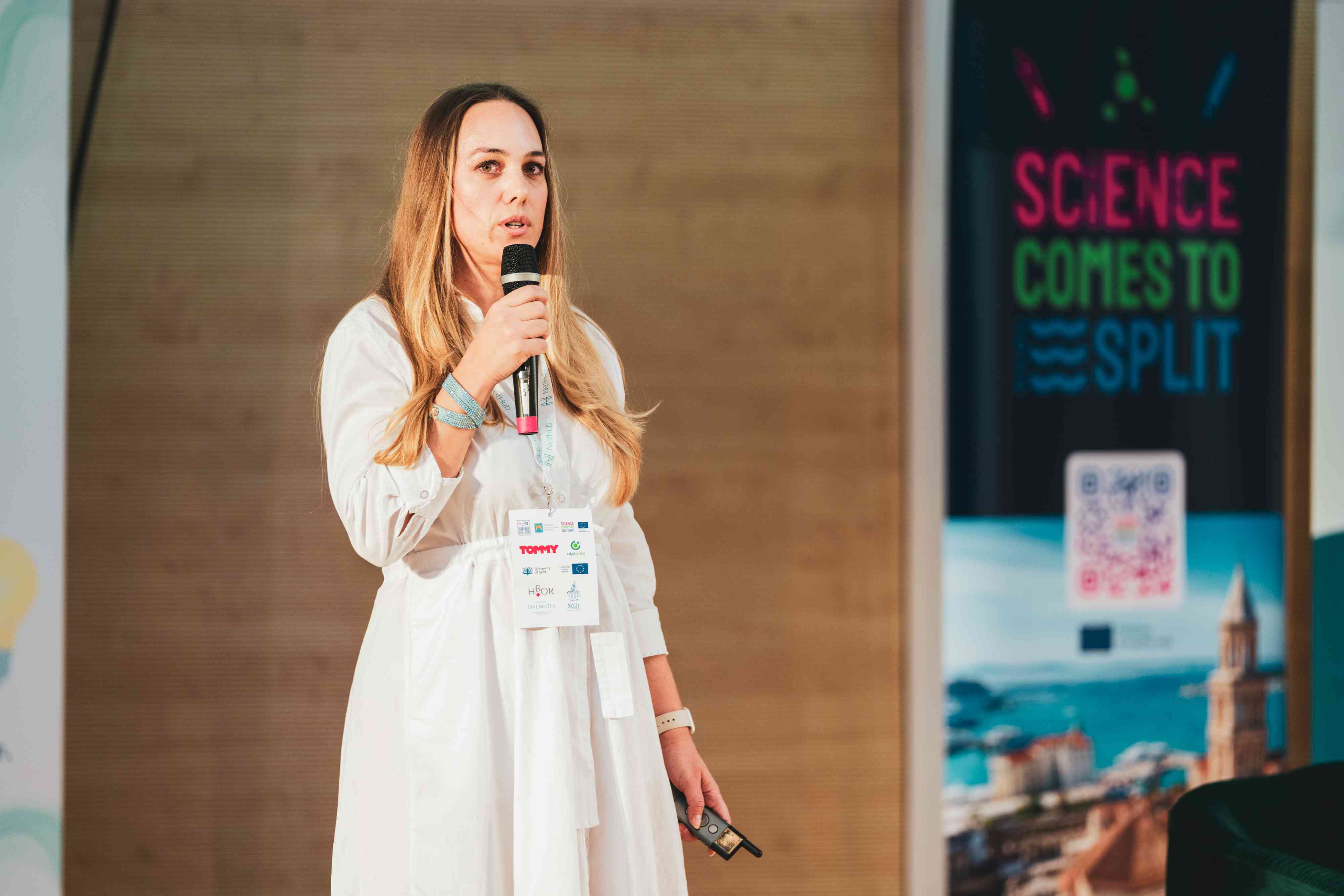
Before the pitching began, the morning programme looked at some of the issues that become increasingly important once a startup moves beyond building the product itself. Ana Barjašić from Connectology, Marco Mohwinckel from Magnolia Health Advisors, and Christophe Gardès from Business BOOST Services explored what founders from Southeast Europe need in order to build companies capable of attracting investment, entering new markets and scaling internationally. Their sessions highlighted that strong technology is only one part of an investable healthtech company – evidence, reimbursement, procurement, market understanding and organisational readiness can be equally important.
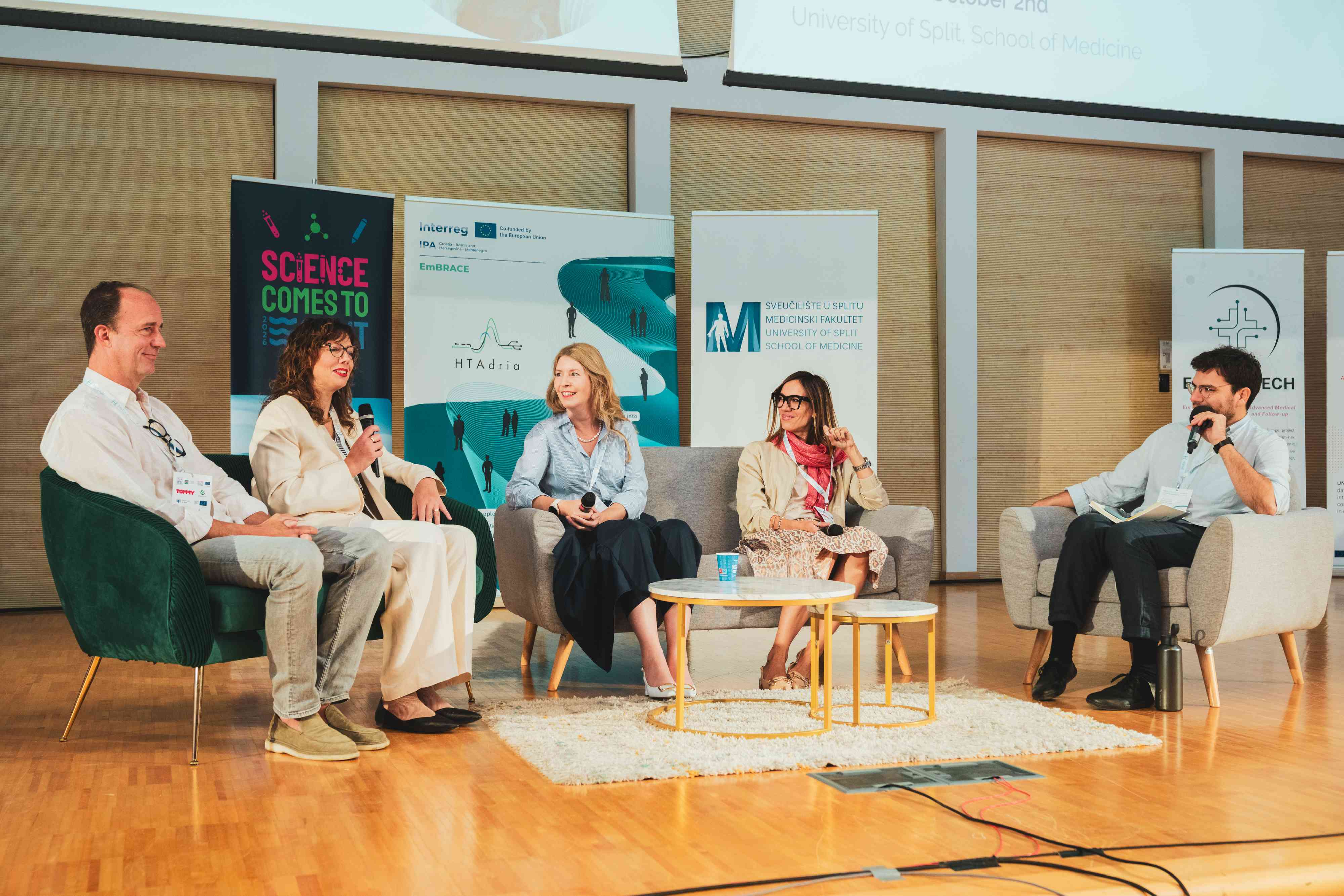
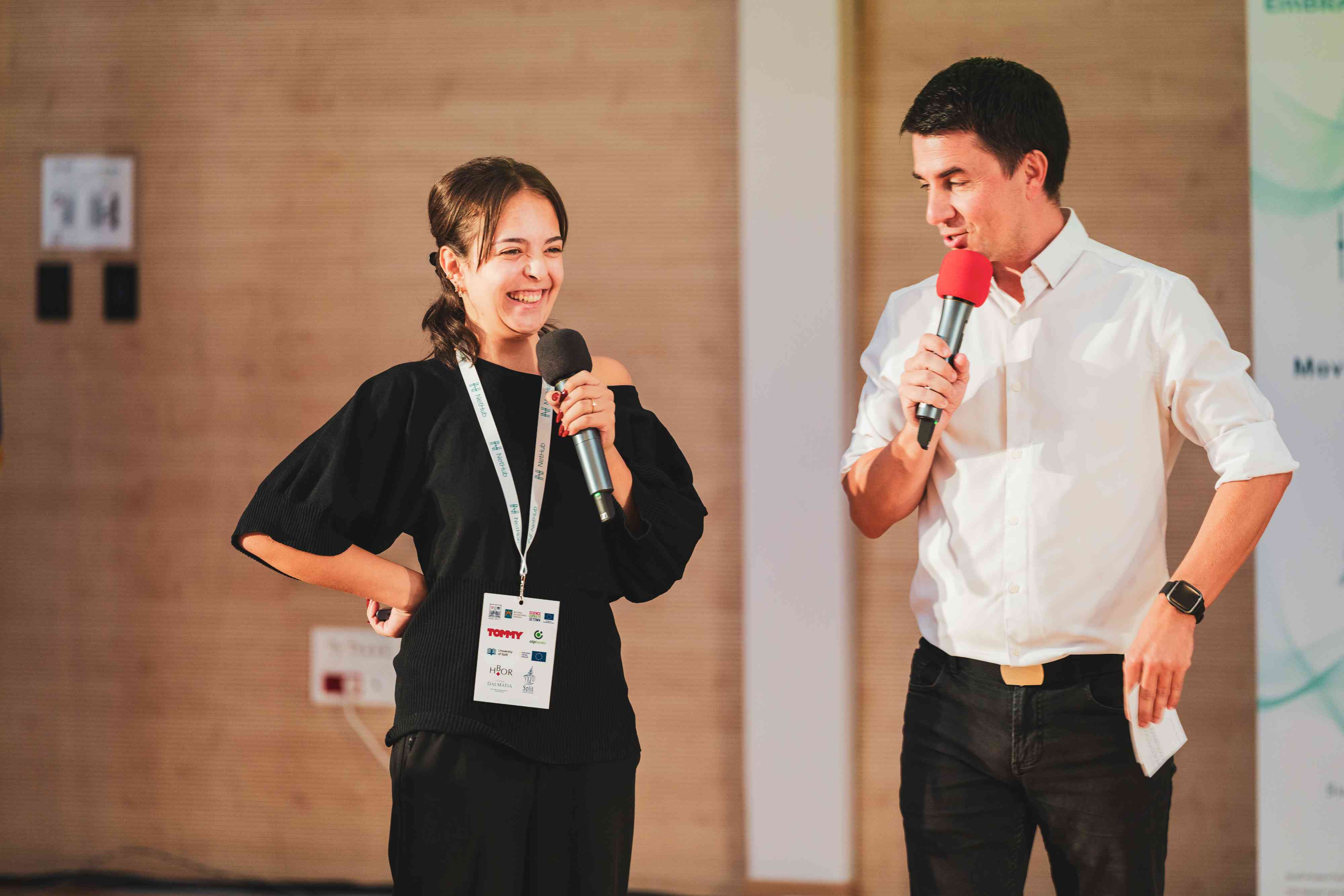
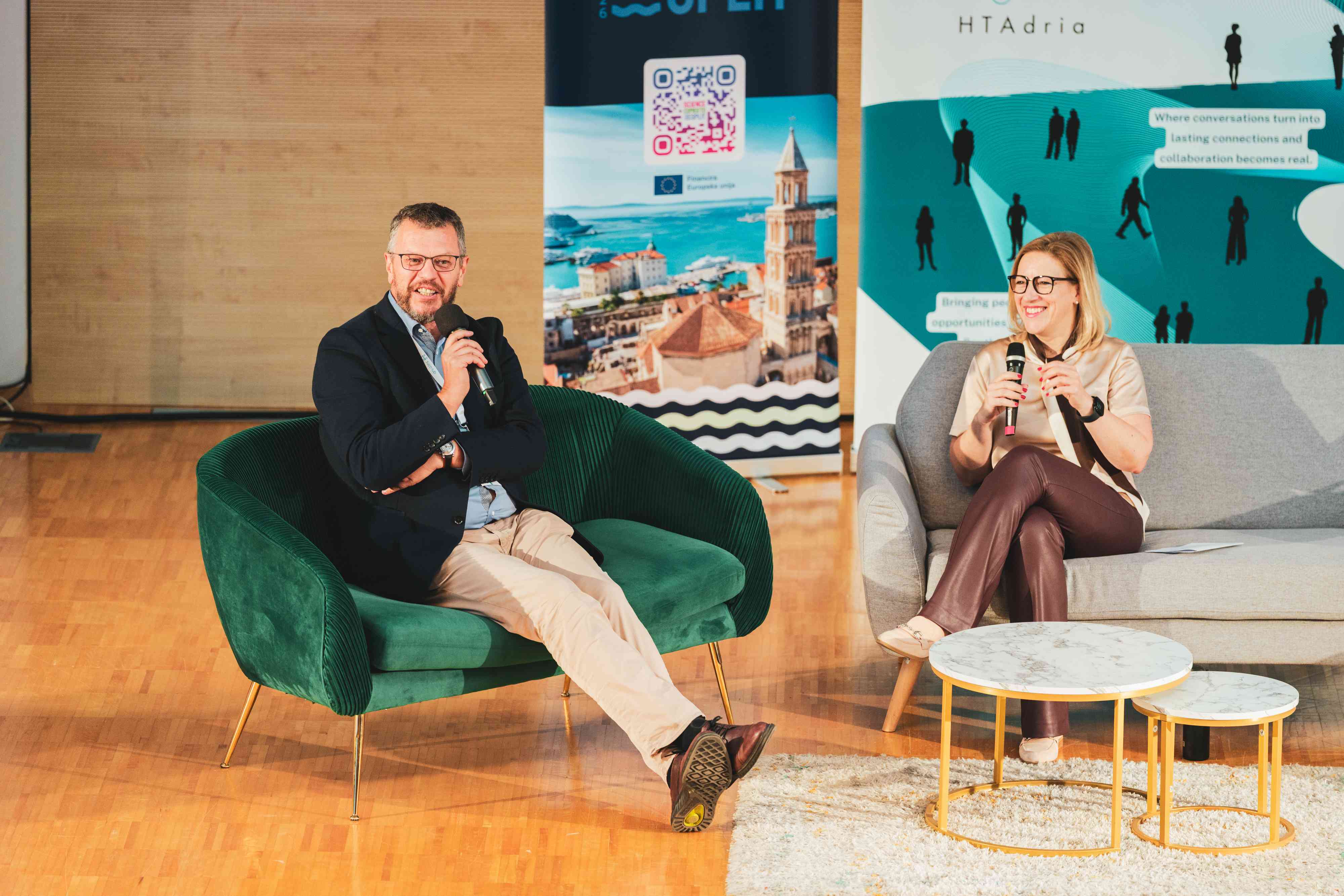
The industry perspective was added through a discussion moderated by Filip Ivančić from Vinaver Medical, bringing together Marco Mohwinckel, Barbara Ülen from AstraZeneca Balkan Cluster, Maša Safundžić Kučuk from JGL Group and Vera Codazzi from Chiesi Farmaceutici. The panel looked at how pharmaceutical and healthcare companies engage with startups, from initial scouting and pilots to more strategic partnerships, giving founders a closer look at what larger organisations actually expect when evaluating potential collaborations.
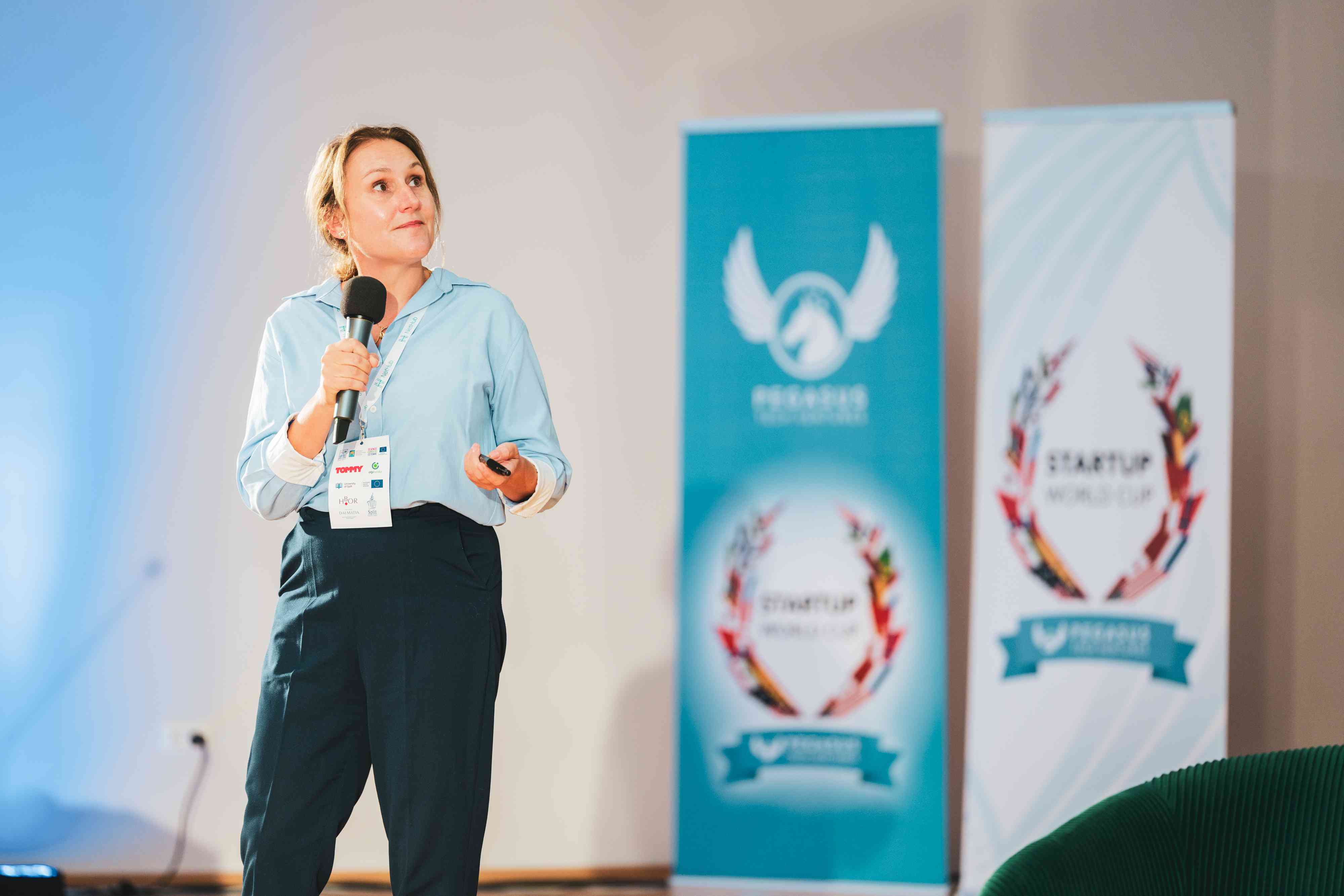
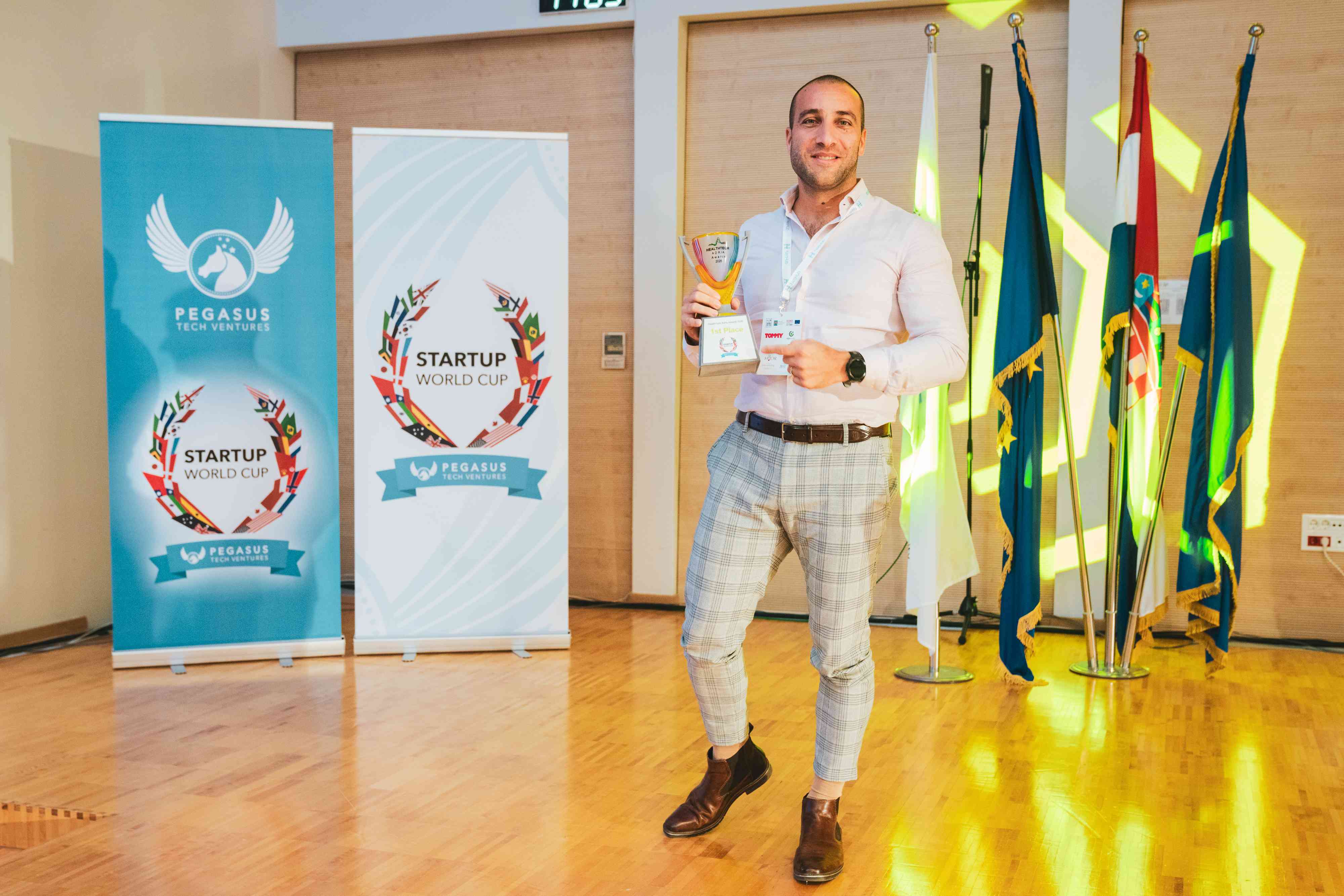
The competition was also connected to the Startup World Cup, giving the winning team an additional opportunity to continue from the HealthTech Adria stage to the global competition in San Francisco.
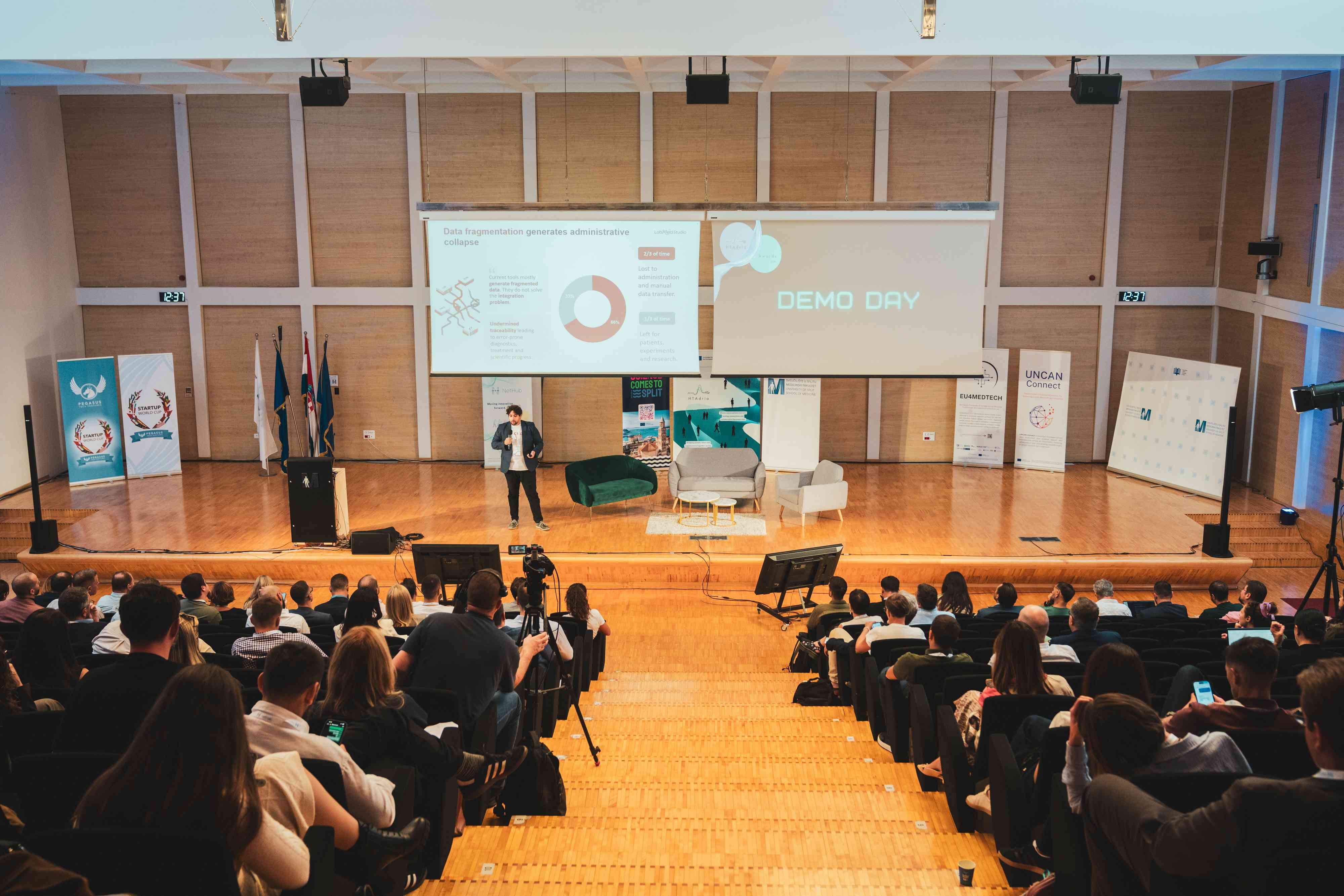
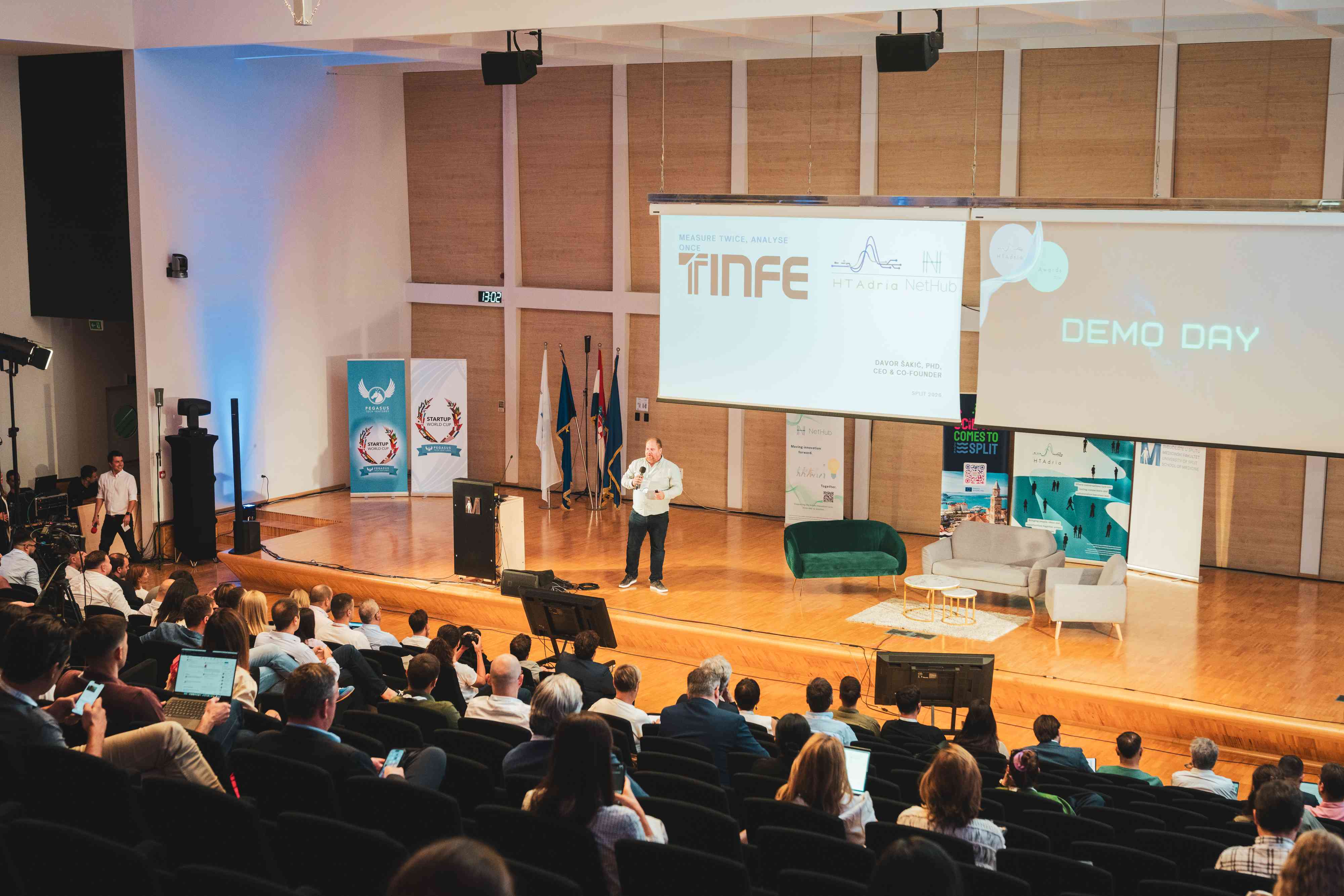
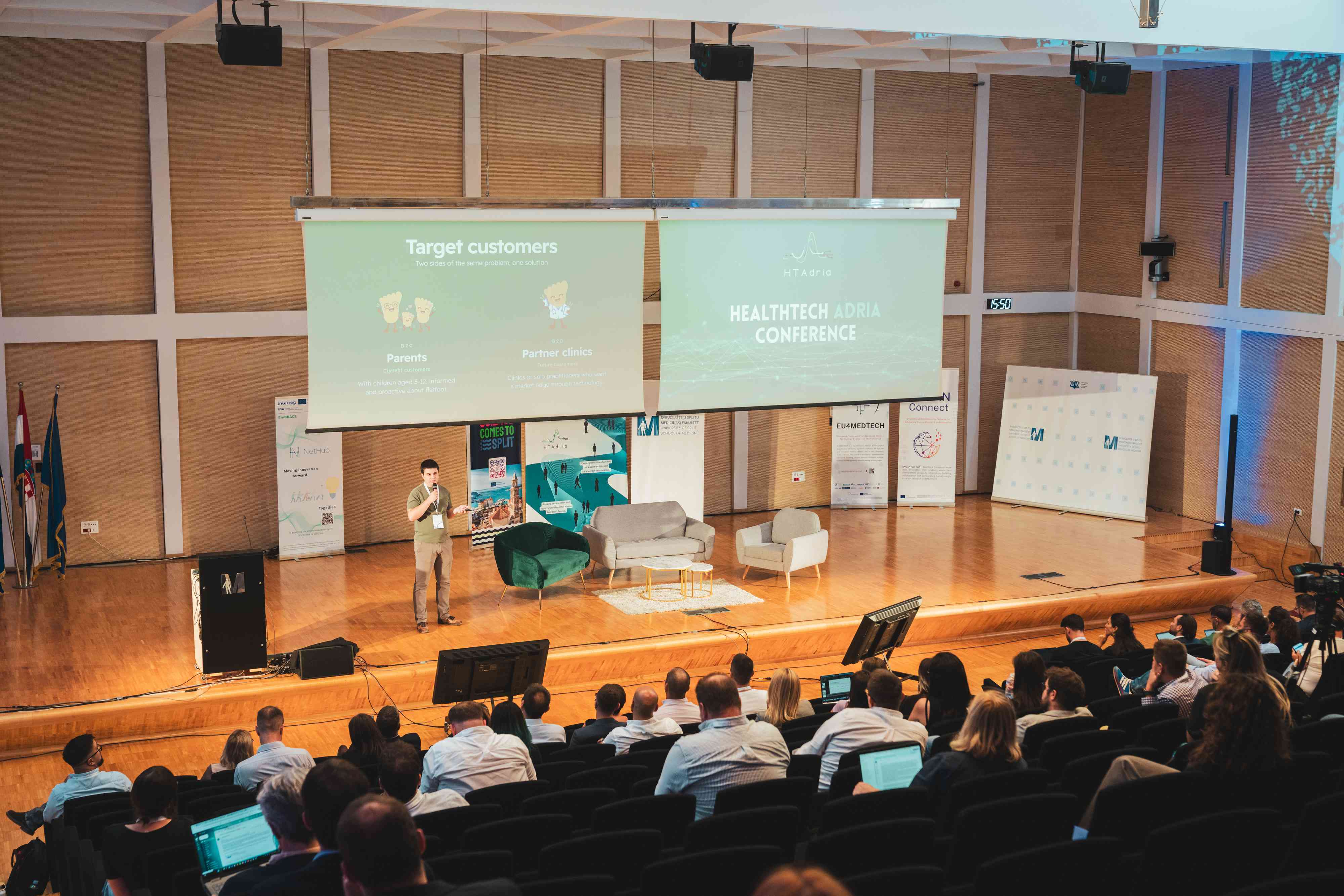
Across two pitching sessions, each of the 14 selected startups had five minutes to present their solution, followed by three minutes of Q&A with the investor jury.
The competition featured a broad range of health innovation areas including medical imaging, diagnostics, artificial intelligence, digital health, biomaterials, dental technologies and other solutions addressing healthcare needs across Southeast Europe.
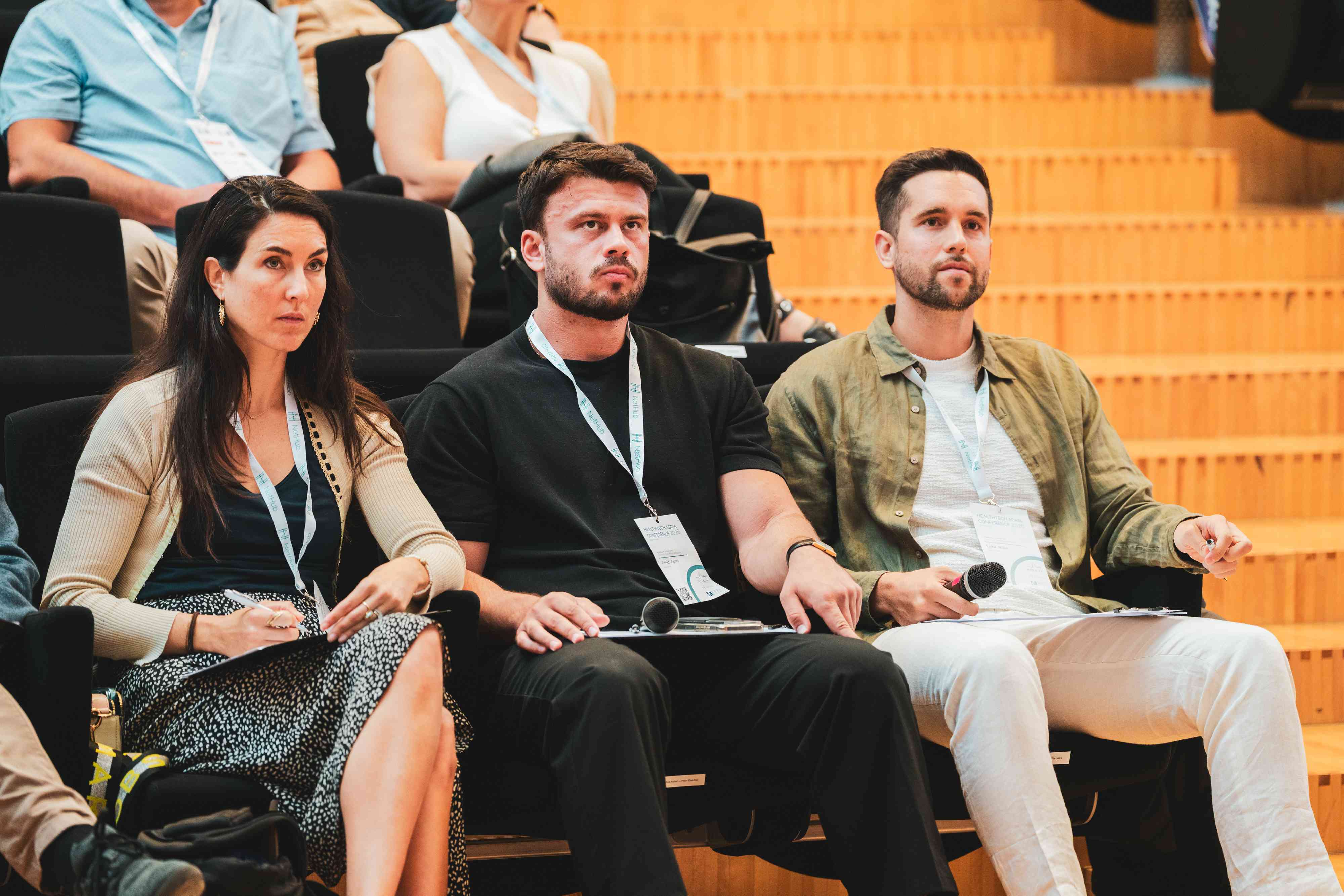
Startup teams pitched in front of an international investor jury consisting of Luka Nićin from Pace Ventures, Vahid Asimi from Heal Capital, Marijana Flego from AYMO Ventures, Łukasz Mańkowski from Aegis Capital, Dalibor Marijanović from Vesna Deep Tech VC, Jasmin Saric from MEDKAP, Stevica Kuharski from Fil Rouge Capital and Steve Tauber from Sphere Ventures. All eight investors evaluated every startup across both pitching sessions, while Q&A responsibilities were divided between two jury groups.
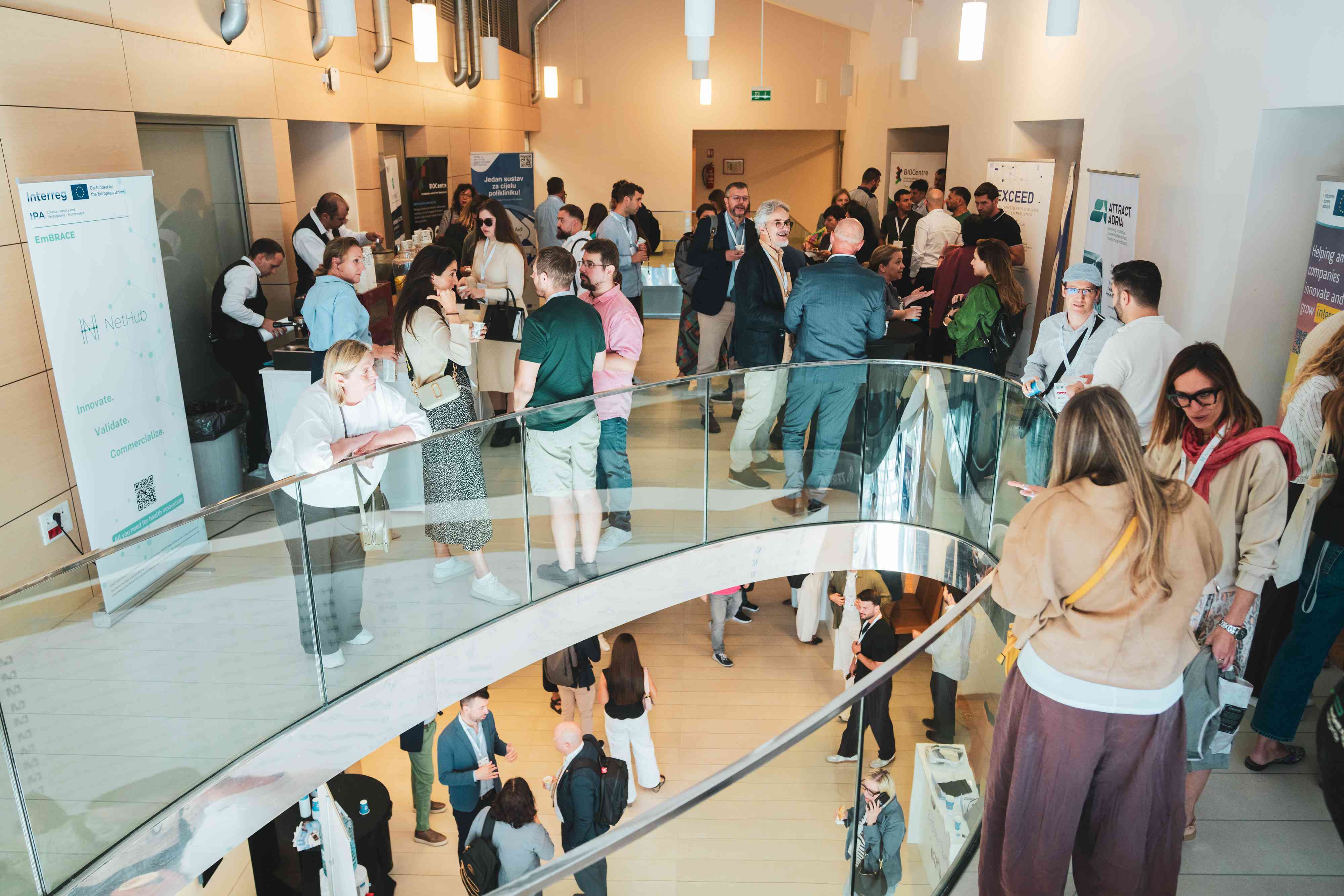
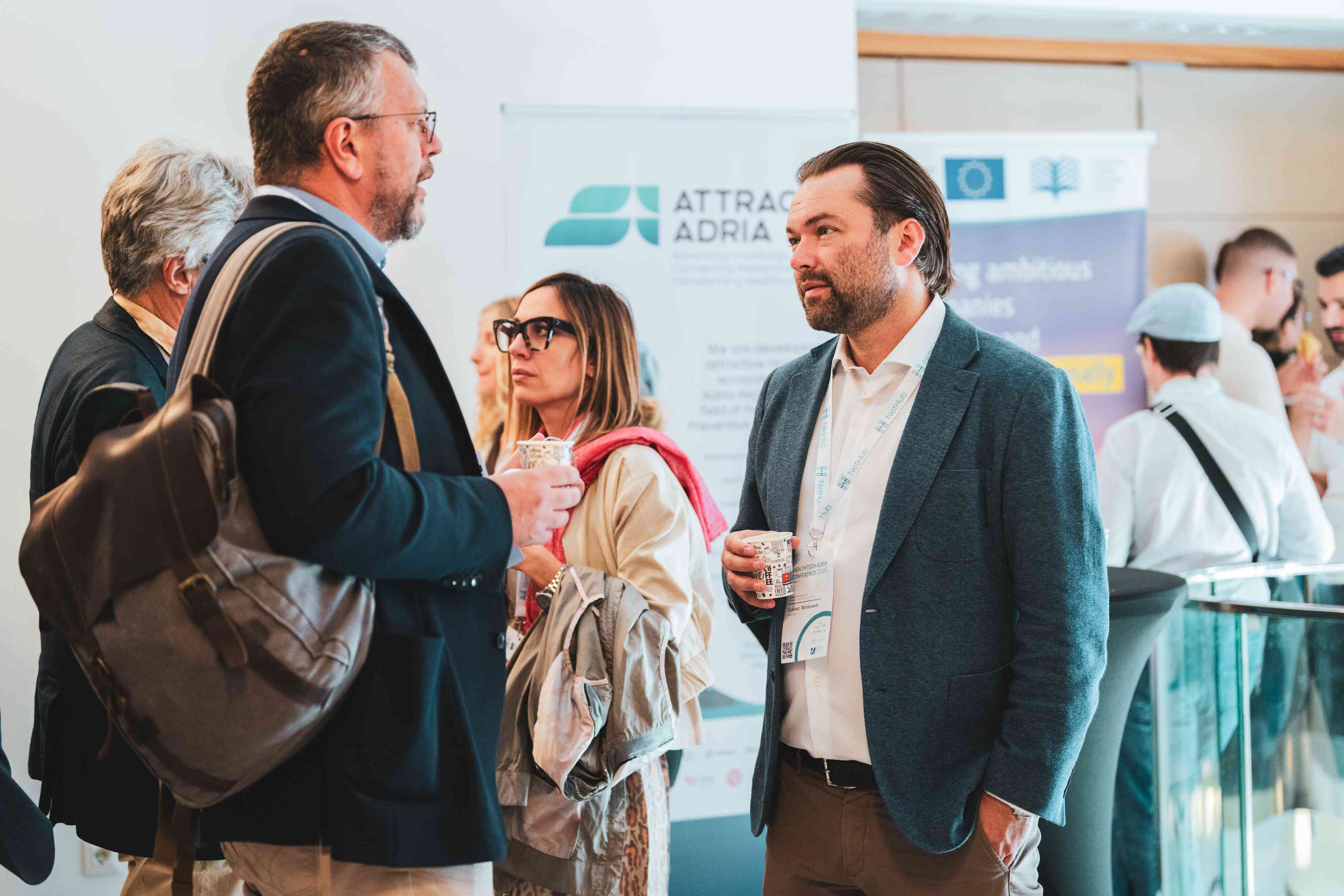
For the startups, the value of the HealthTech Adria Awards extended beyond the final score. Pitching in front of investors allowed teams to test how clearly they could communicate their clinical value, business model and growth potential, while receiving direct feedback on the questions investors ask when considering healthtech opportunities. The wider conference setting also allowed those conversations to continue during networking breaks and lunch, connecting founders with investors, clinicians, healthcare providers, industry representatives and potential partners.
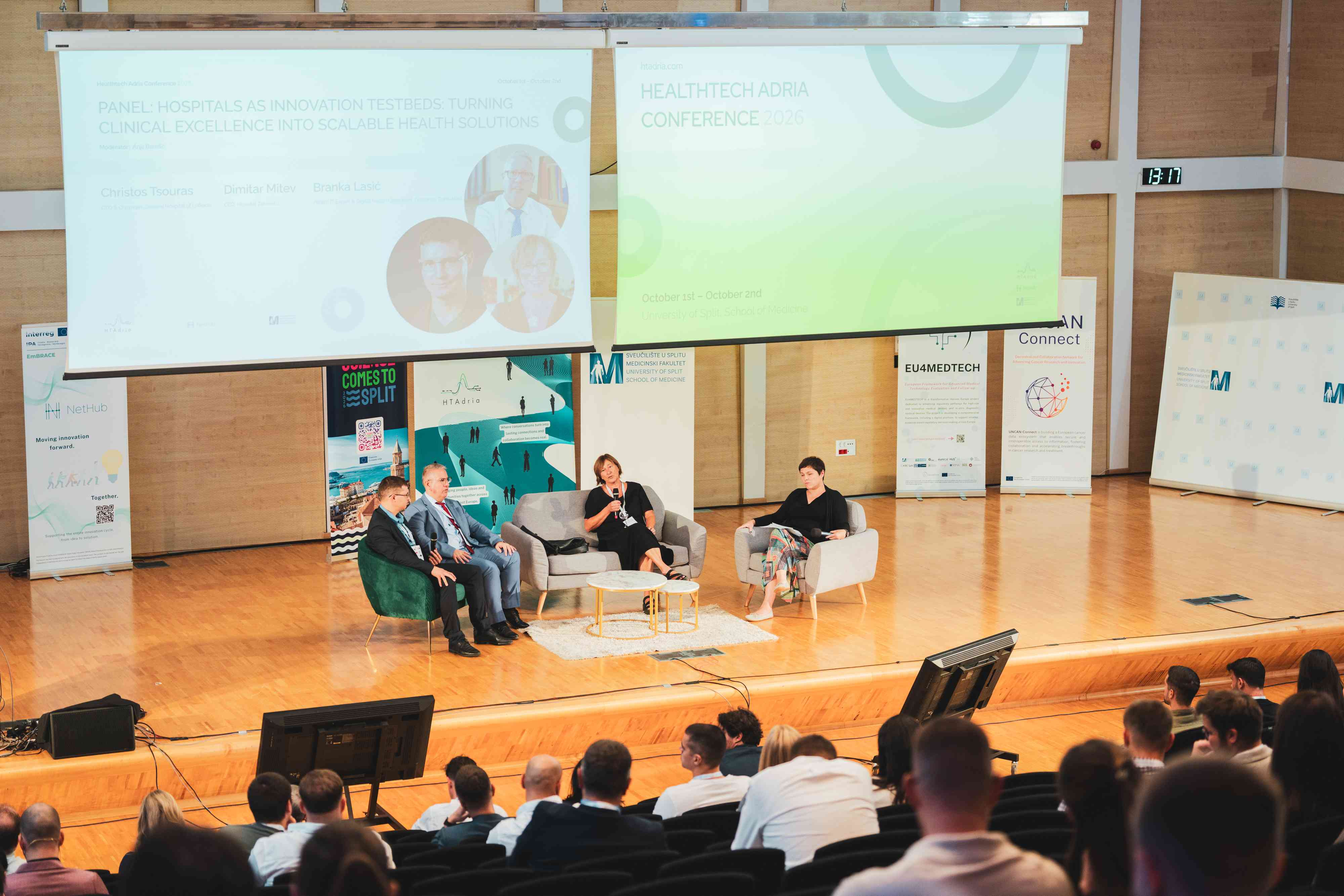
The programme around the HealthTech Adria Awards reflected those same practical challenges. A discussion moderated by Anja Barešić from the Ruđer Bošković Institute brought together Christos Tsouras, CEO of the General Hospital of Lefkada; Dimitar Mitev, CEO of Hospital Zdraveto; and Branka Lasić, Health IT Expert and Digital Health Consultant. Together, they explored how hospitals can act as real-world testbeds for health innovation, giving companies access to clinical environments in which new solutions can be tested, validated and improved before wider implementation.
Internationalisation and regulation were another important part of the discussion. Tobias Appenzeller from ARTIDIS shared the experience of taking a European cancer innovation into U.S. clinical practice, while Dragoș Dușe, Founder and CEO of Synaptiq, spoke from a founder’s perspective about the realities of obtaining CE marking for an AI medical device. Together, the sessions showed that entering new markets requires much more than a strong product – it requires regulatory readiness, clinical evidence, local partnerships and a clear understanding of the healthcare system being entered.
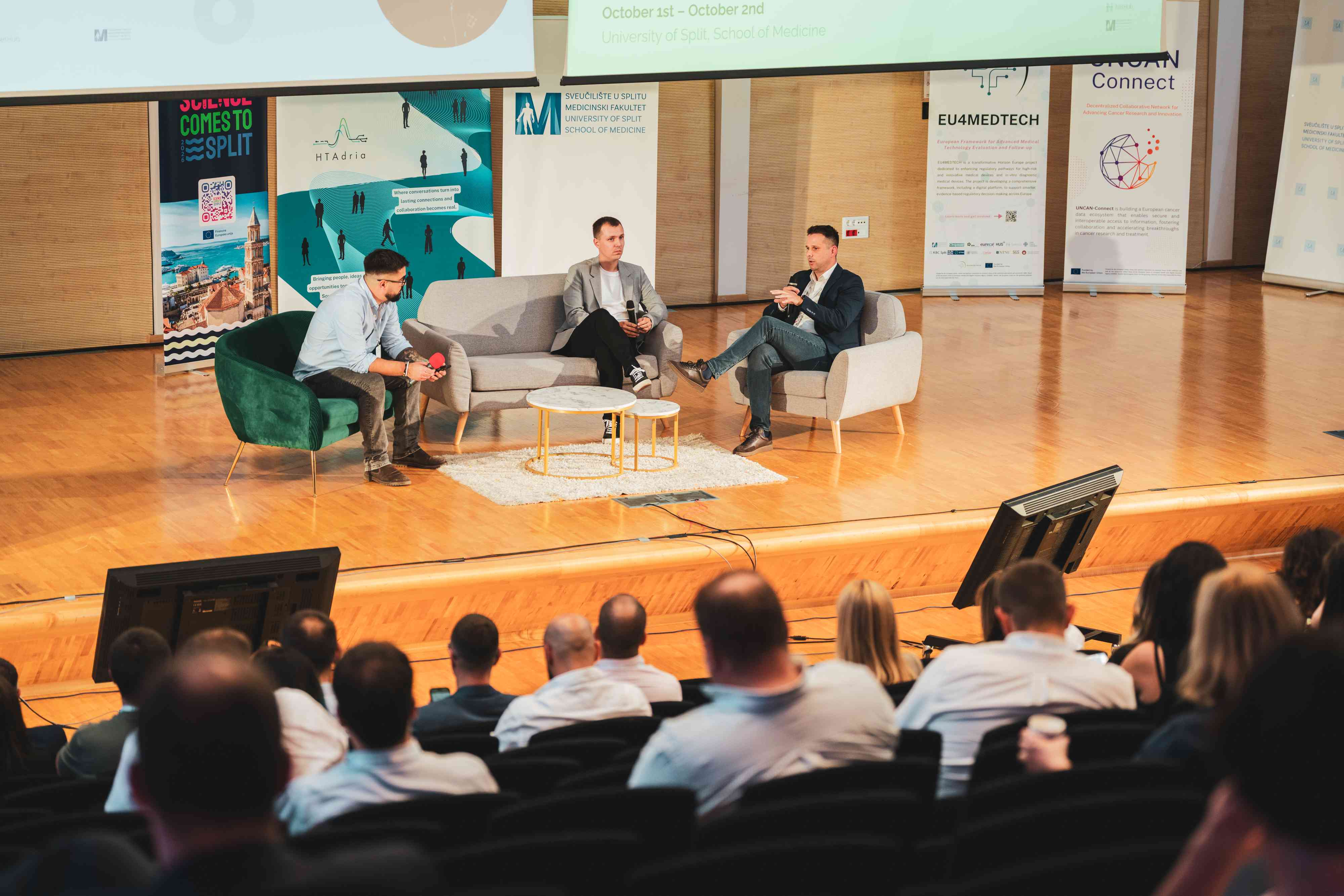
Later in the day, Duje Mihovilović from Serenity moderated a discussion with Nikola Komes, CEO of InsiderCX, and Hrvoje Vidak from Croatia osiguranje on what actually works when selling digital health solutions to private healthcare providers. The conversation brought the customer perspective into focus, from understanding purchasing decisions and building trust to demonstrating value in a way that makes sense for healthcare organisations. Karin Ostermann from BODYCLOCK Technologies then addressed the next challenge after market entry: turning early traction into sustainable commercial growth.
The final sessions brought the conversation back to the relationship between science and entrepreneurship. Ivana Gulišija from GlycanAge shared the journey from early research towards clinical diagnostics, showing how promising science can move through development and validation towards practical healthcare use. Milica Vukmirović from Move Venture Consulting and Ion-Gheorghe Petrovai from FreshBlood HealthTech closed the programme with a mentor conversation on some of the strategic mistakes that can slow healthtech founders down, particularly around market strategy, fundraising, partnerships and timing.
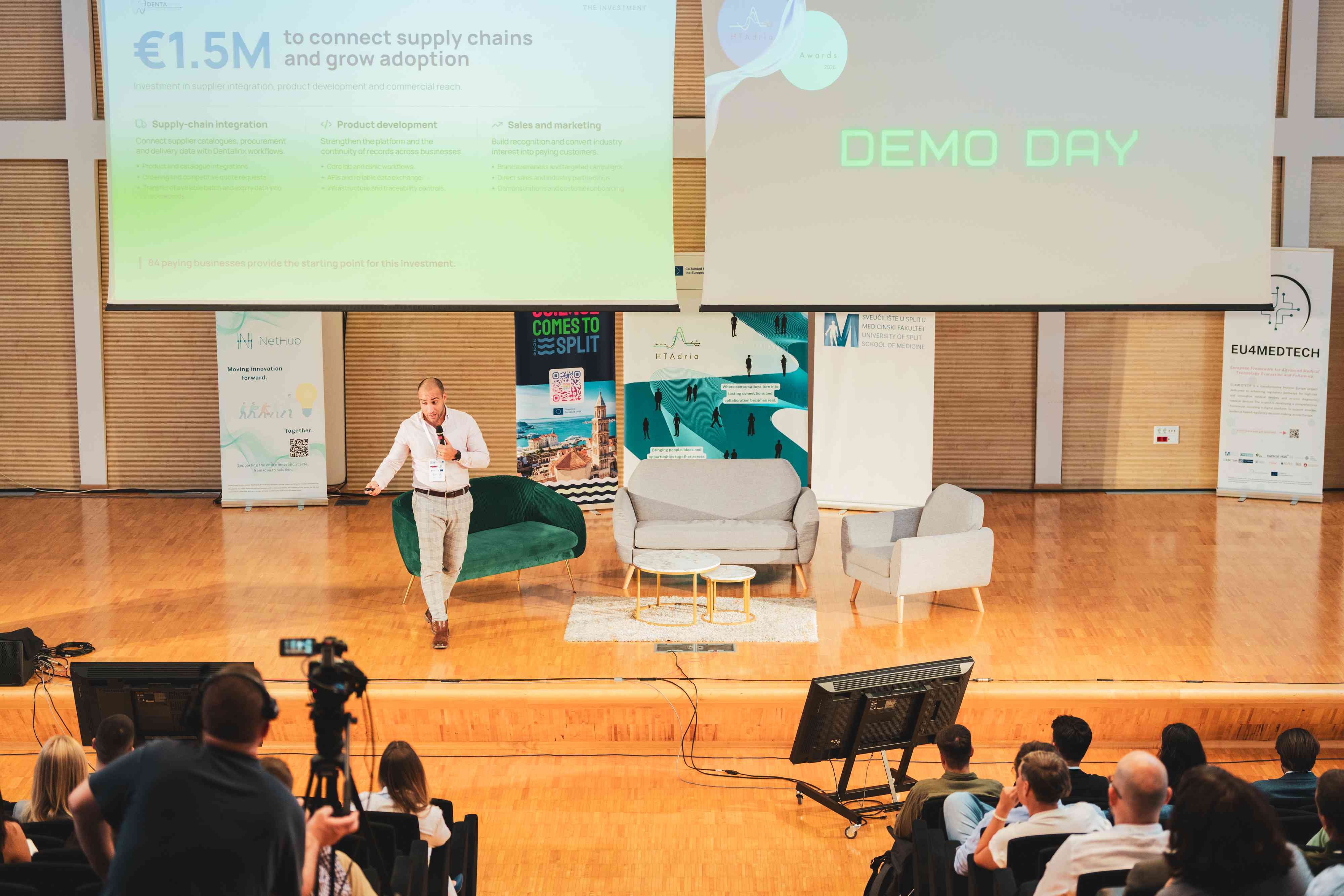
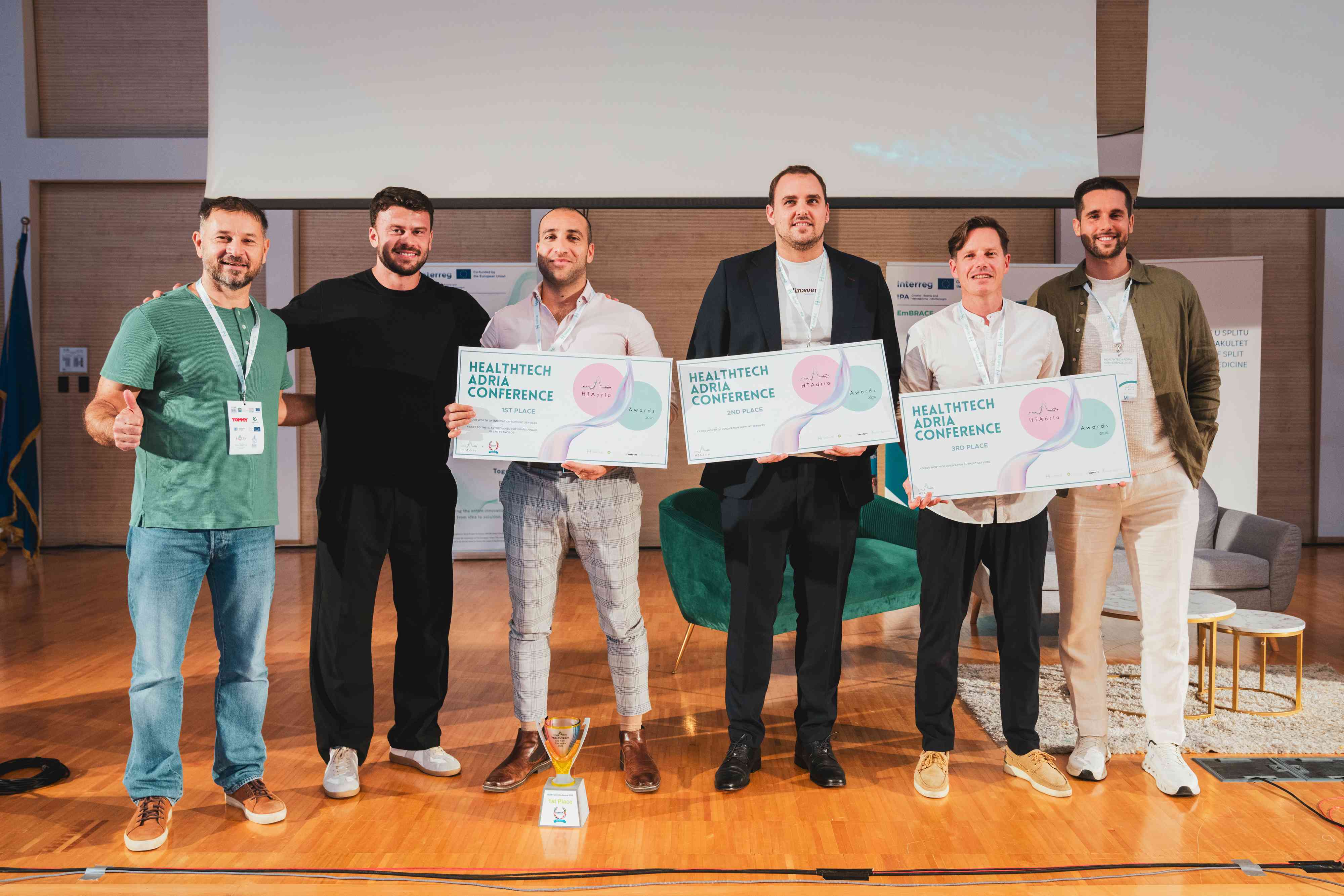
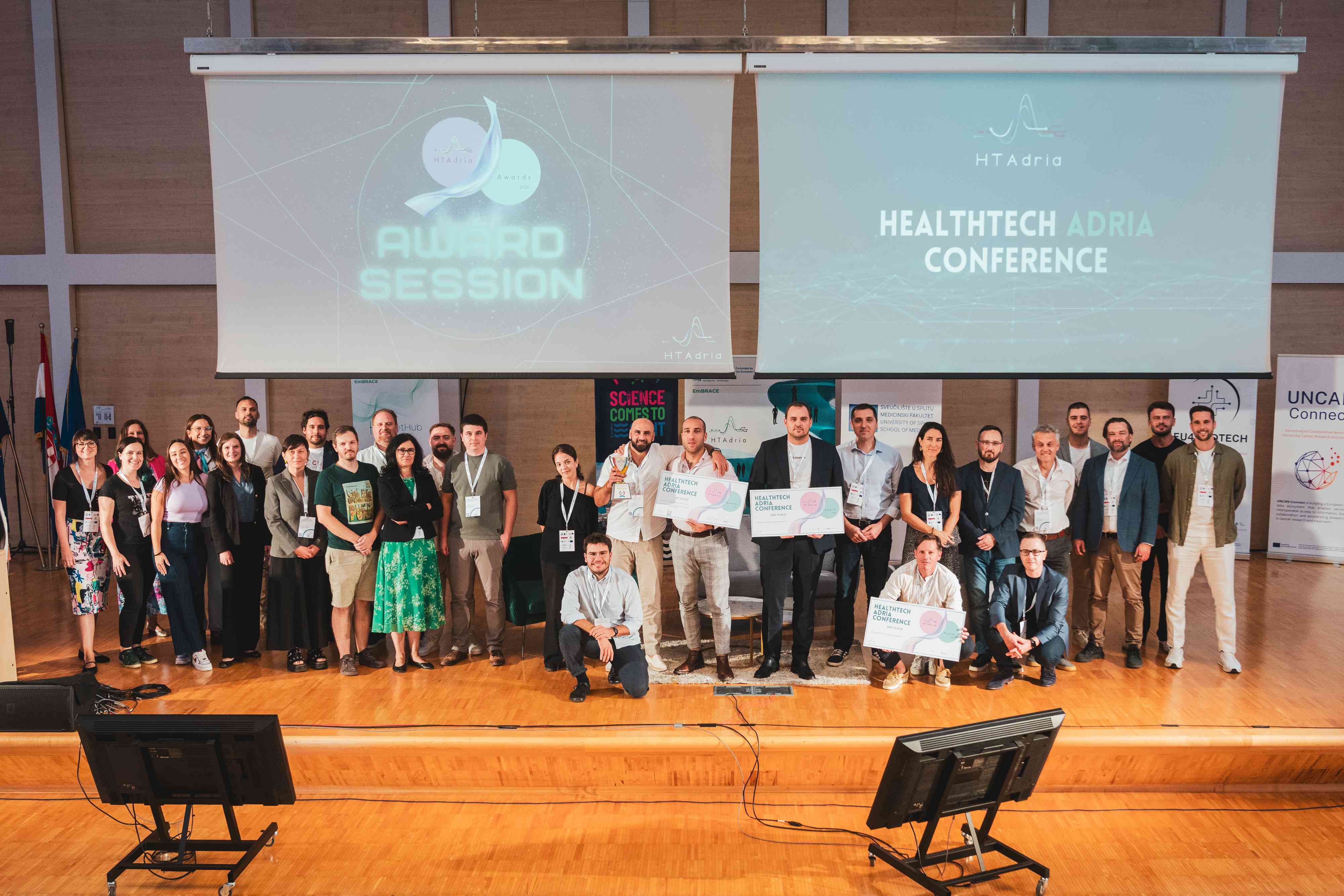
After two pitching sessions and the final jury evaluation, Dentalinx from Slovenia was named the winner of the HealthTech Adria Awards 2026. The company is developing a connected digital ecosystem for dental clinics, laboratories, production centres and suppliers, enabling secure and automated exchange of orders, case updates, material data and regulatory documentation across the dental value chain.
Second place went to Vinaver Medical from Serbia, whose solution adds an intelligence layer to existing CT systems and transforms routine spectral imaging into clinically useful tissue information for advanced diagnostics and precision treatment.
Third place went to MediGuide from Slovenia, which combines biomaterials and 3D bioprinting to create patient-specific models that support surgical preparation and planning.
The first, second and third-place teams received €7,000, €5,000 and €3,000 worth of tailored innovation support services, designed according to each startup’s stage of development and specific needs. As the overall winner, Dentalinx also received a ticket to the Startup World Cup Grand Finale in San Francisco.
More than the final ranking, the HealthTech Adria Awards created an opportunity for startups from across Southeast Europe to gain visibility, receive direct investor feedback and connect with potential partners beyond their home markets. By bringing together founders, investors, healthcare organisations and regional ecosystem partners in one place, the programme contributed to a more connected environment for promising healthtech companies to access investment, partnerships and international growth.