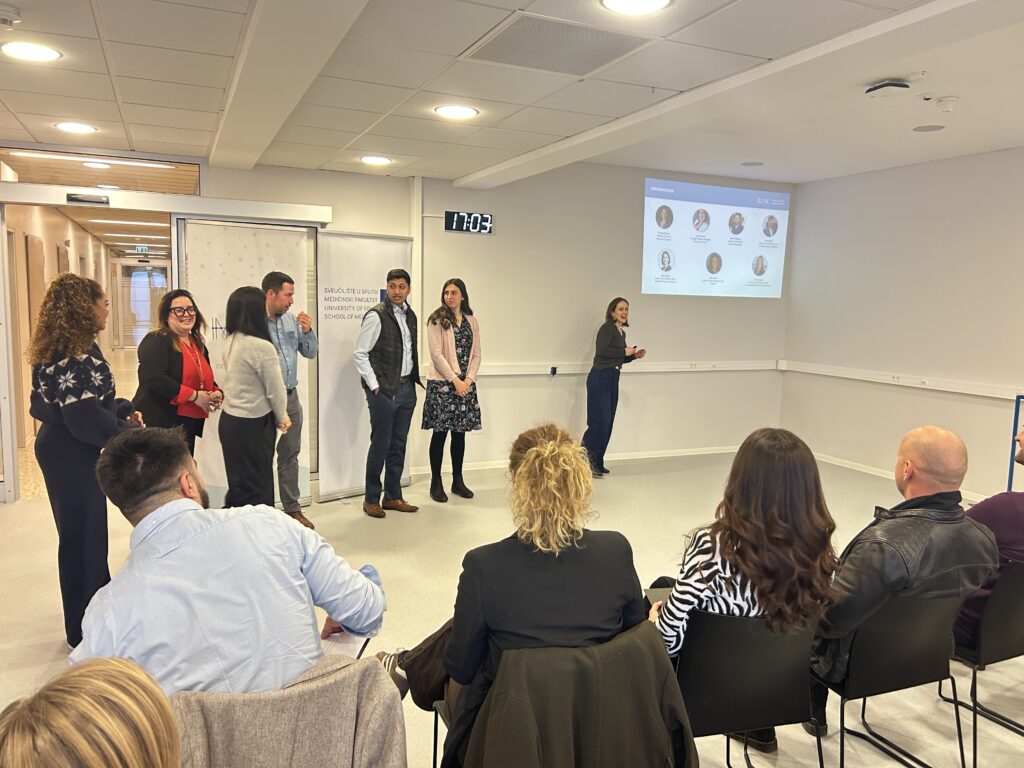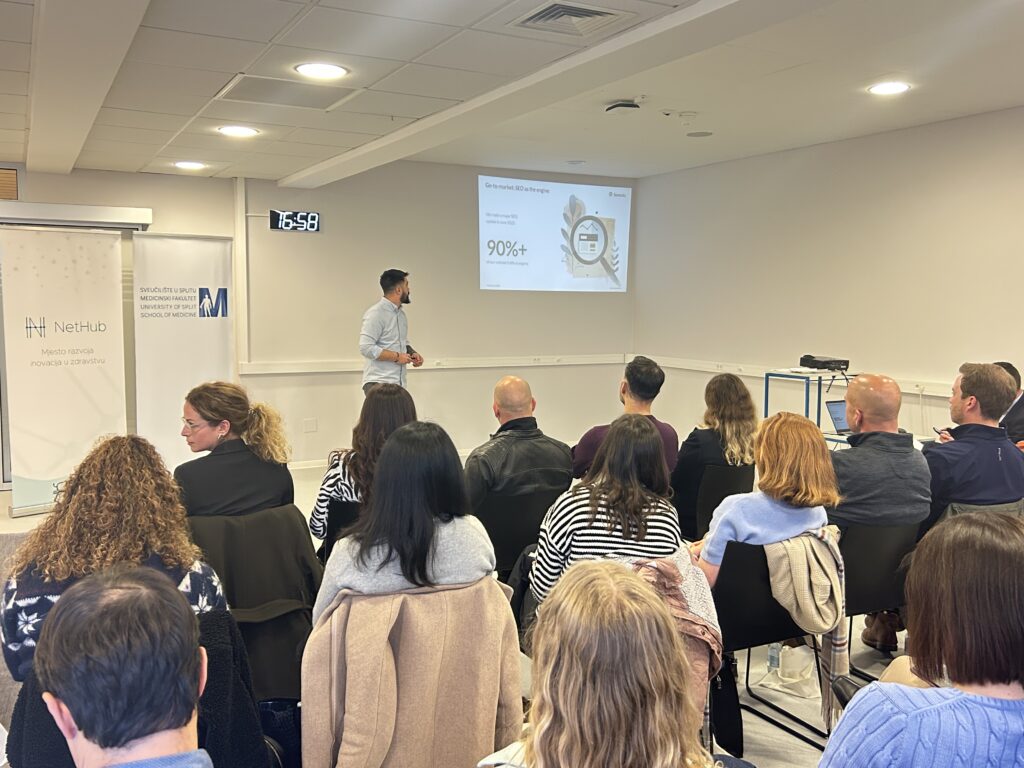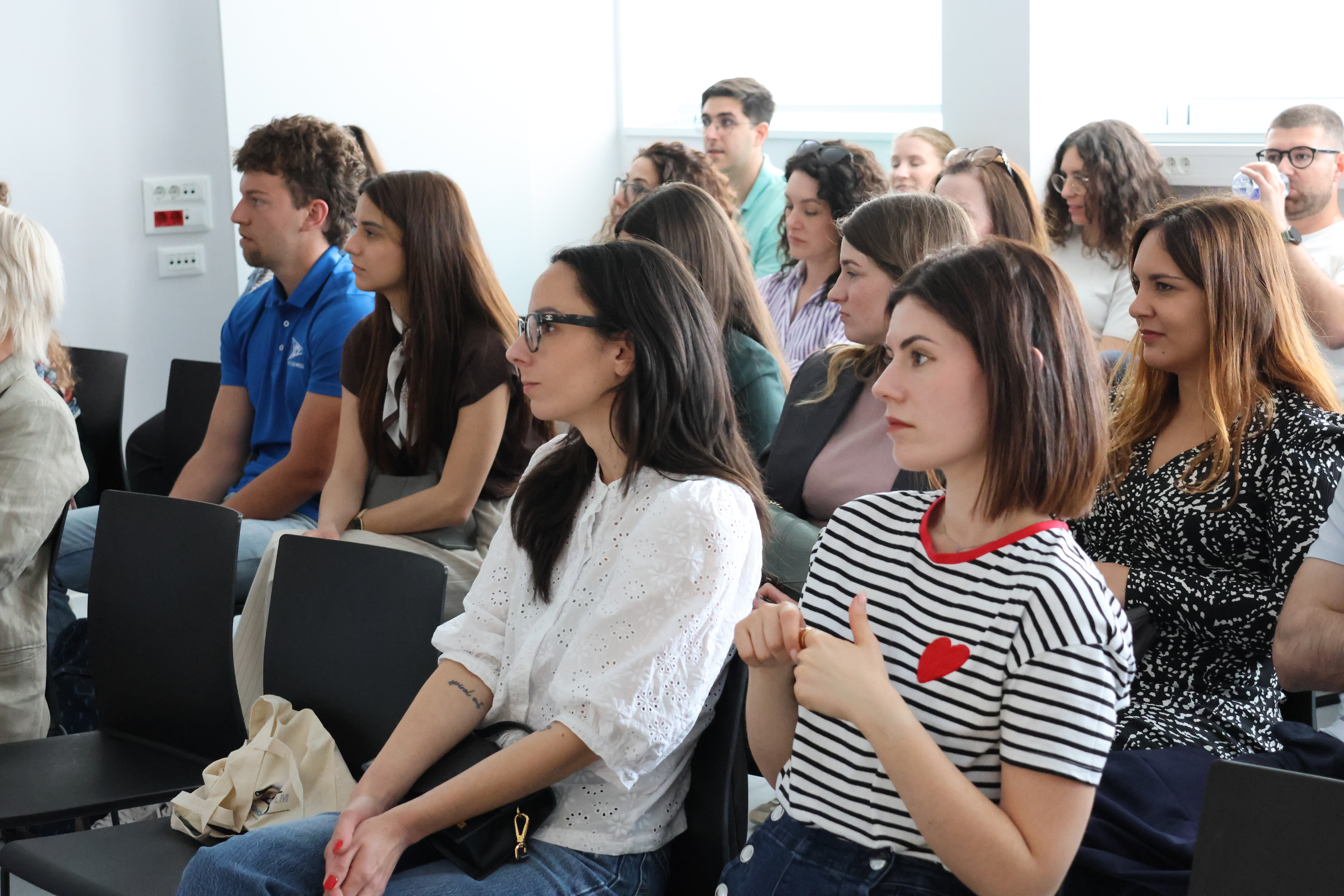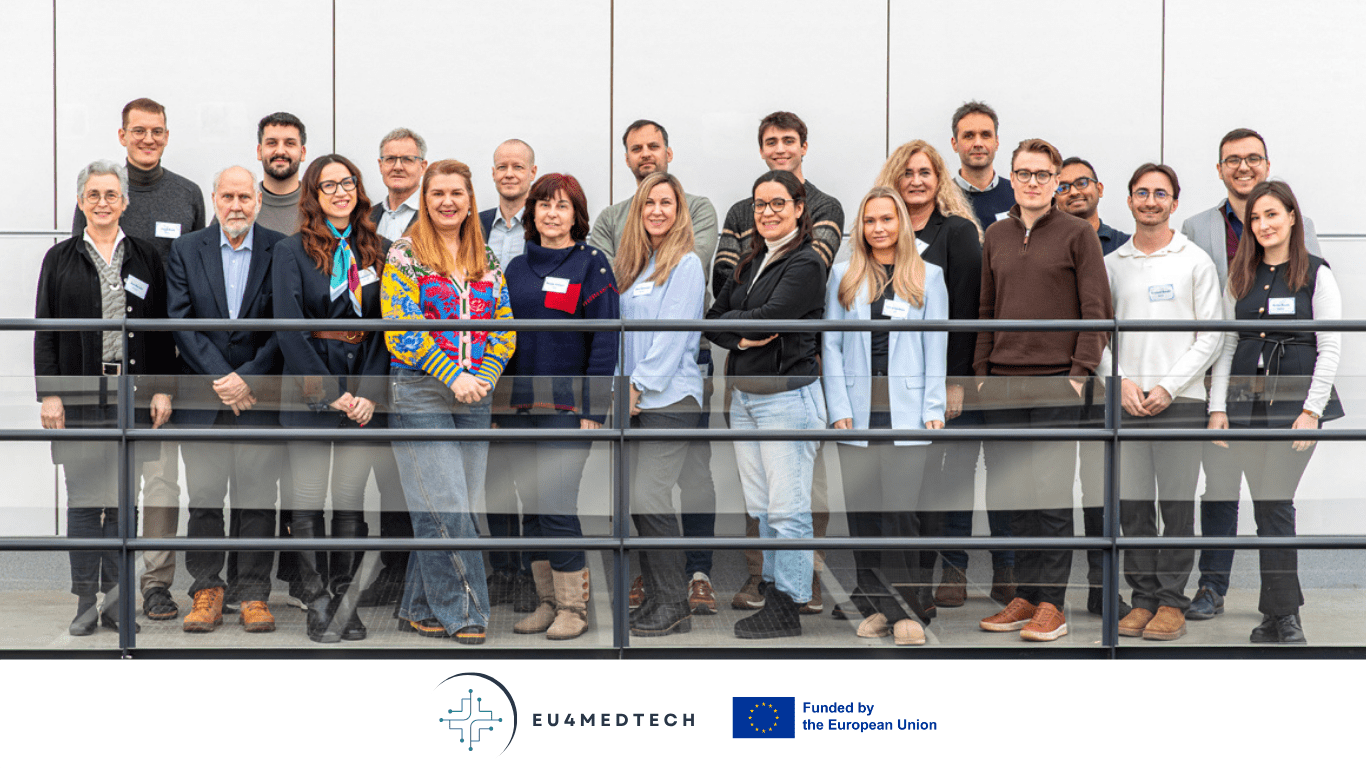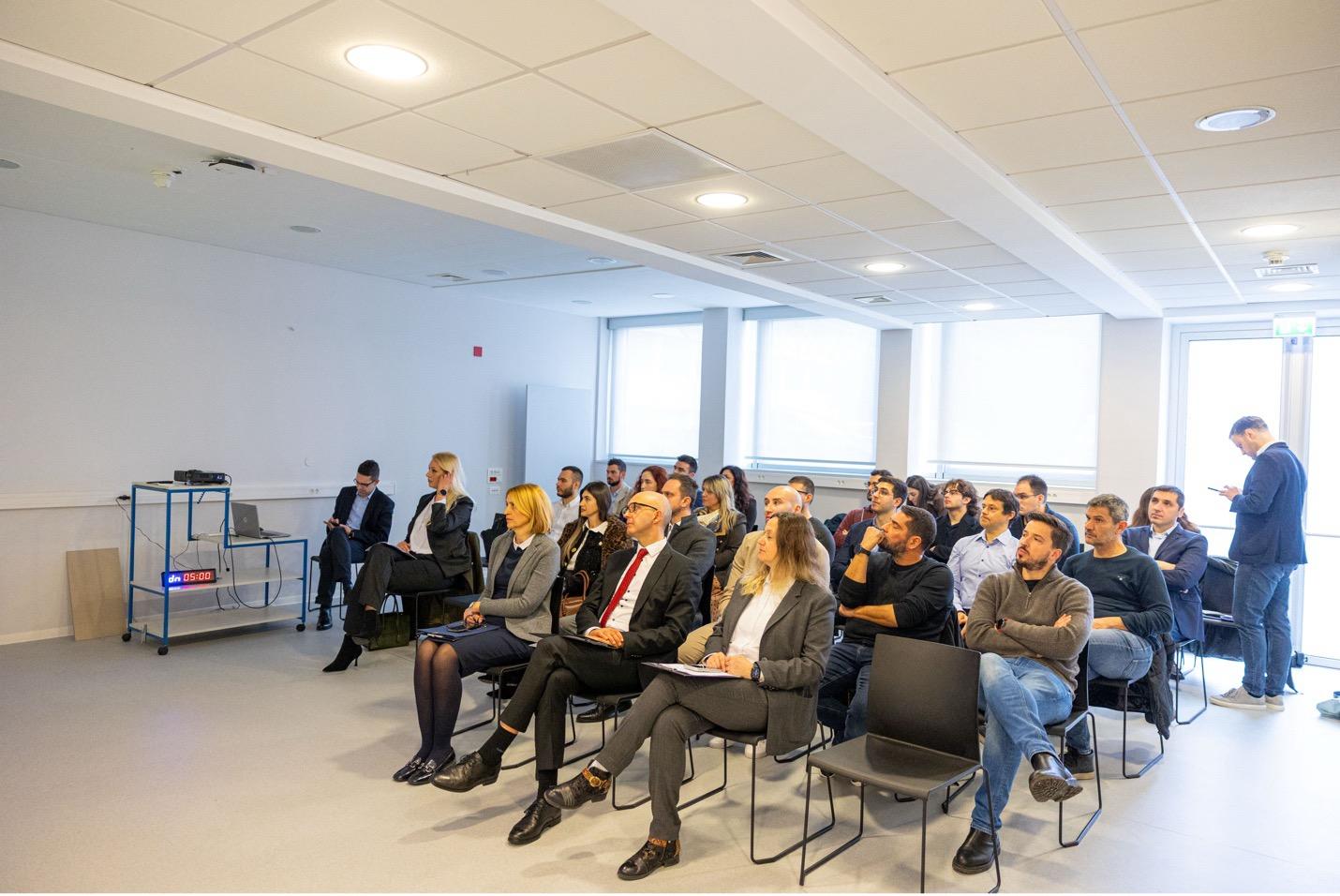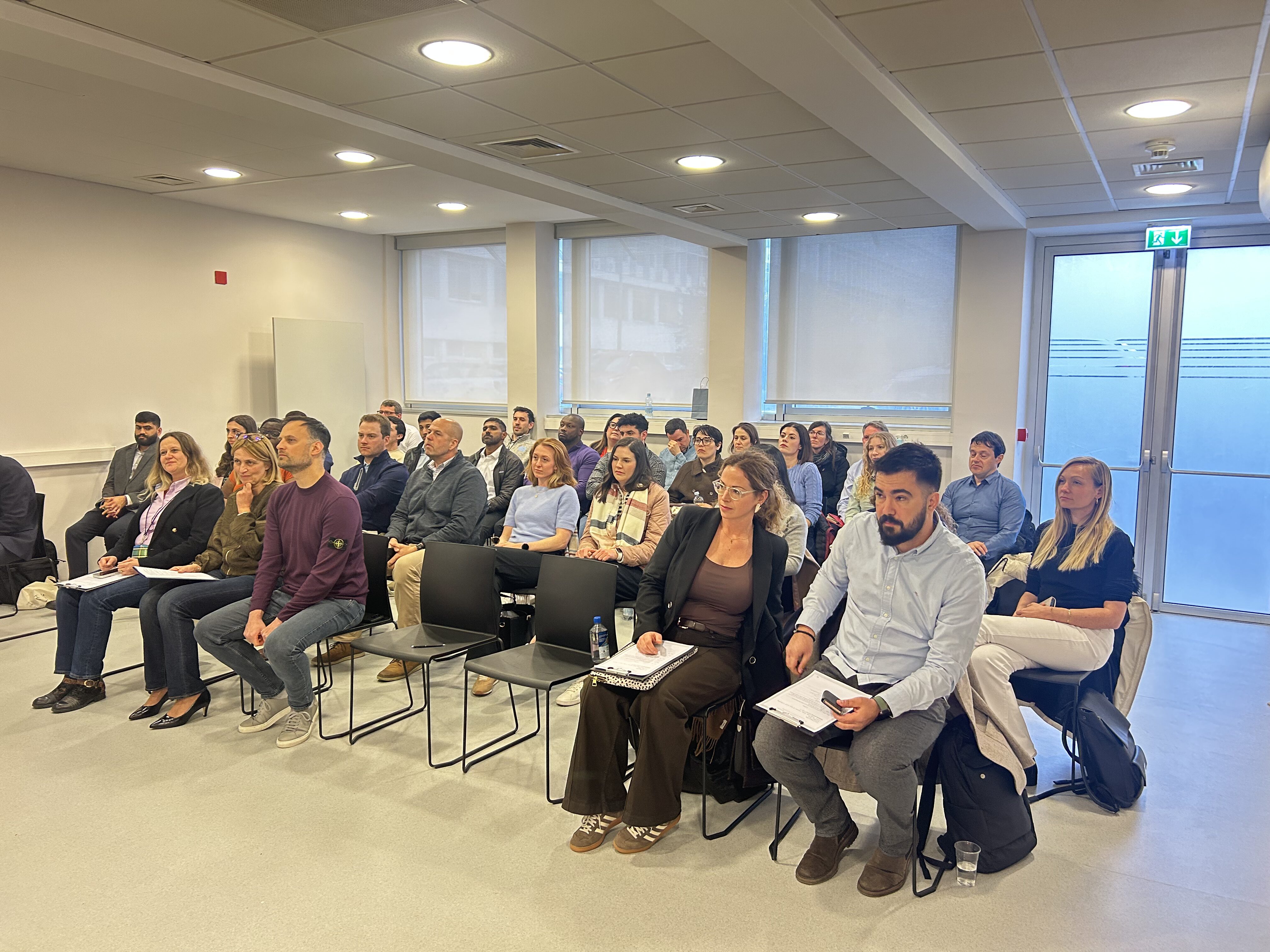

The eighth edition of the Healthtech Adria Meetup marked a significant milestone for the community, not only because of its content, but because it was the first meetup fully held in English, opening the door to a broader audience and creating space for a more direct exchange of ideas beyond the local context.
The event was jointly organized by NetHub and the University of Split, School of Medicine, and held on 27 March 2026 at the Clinical Skills Centre, bringing together representatives of academia, startups, and international participants in a format that combined elements of both the Healthtech Adria Meetup and the UniStart student innovation programme into a single, integrated event. This approach allowed participants not only to listen and learn, but to engage with ongoing student-driven innovation processes in real time.
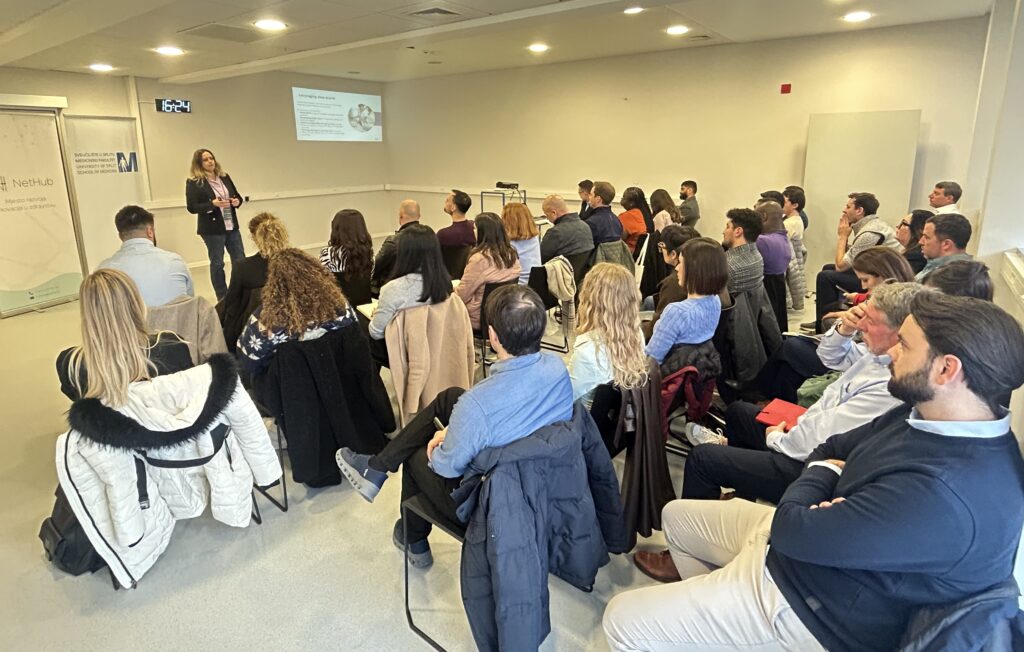
What made this edition particularly distinctive was the participation of MBA students from UNC Kenan-Flagler Business School, who joined the programme to work on real-world challenges related to entering the U.S. health innovation market, bringing with them a perspective grounded in one of the most complex and demanding healthcare systems globally.
The event was opened by Prof. Renata Pecotić, Dean of the University of Split, School of Medicine, who welcomed participants and emphasized the importance of creating opportunities where education, research, and innovation intersect in a practical and internationally relevant context. She highlighted how initiatives such as this one enable students and young innovators to better understand the broader environment in which healthcare solutions are developed, validated, and ultimately brought to market.
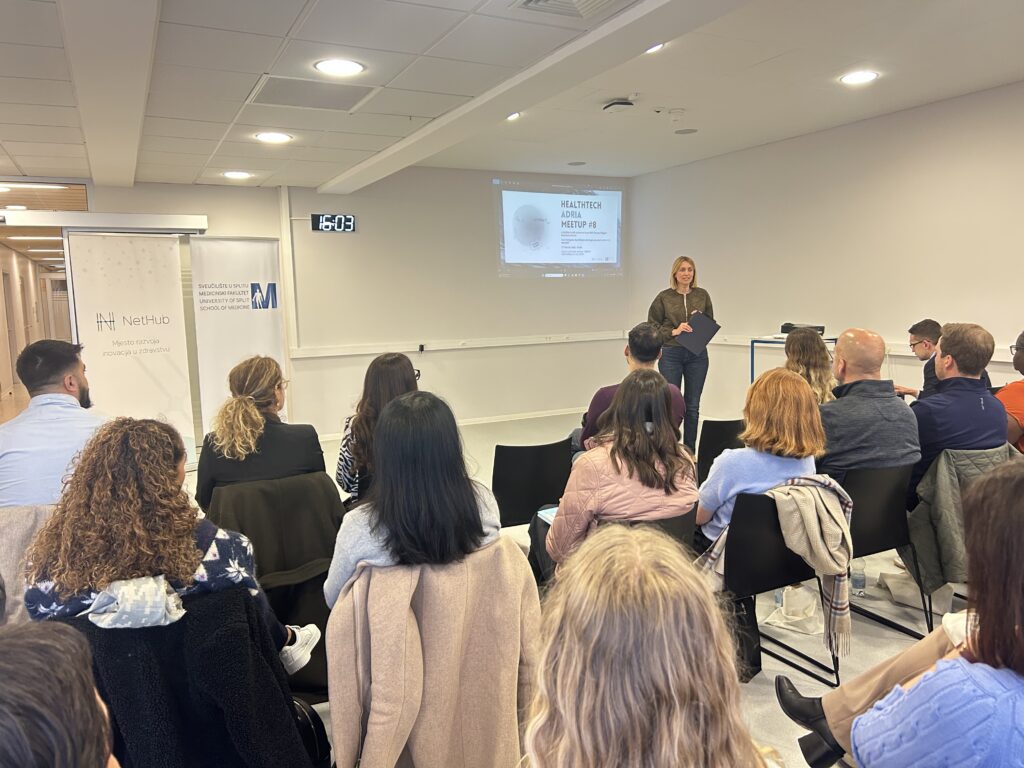
Throughout the event, the programme was guided by Mihaela Petrić from NetHub, who acted as moderator, ensuring a smooth flow of the session while actively encouraging interaction and discussion between speakers and participants, which quickly became one of the defining features of the meetup.
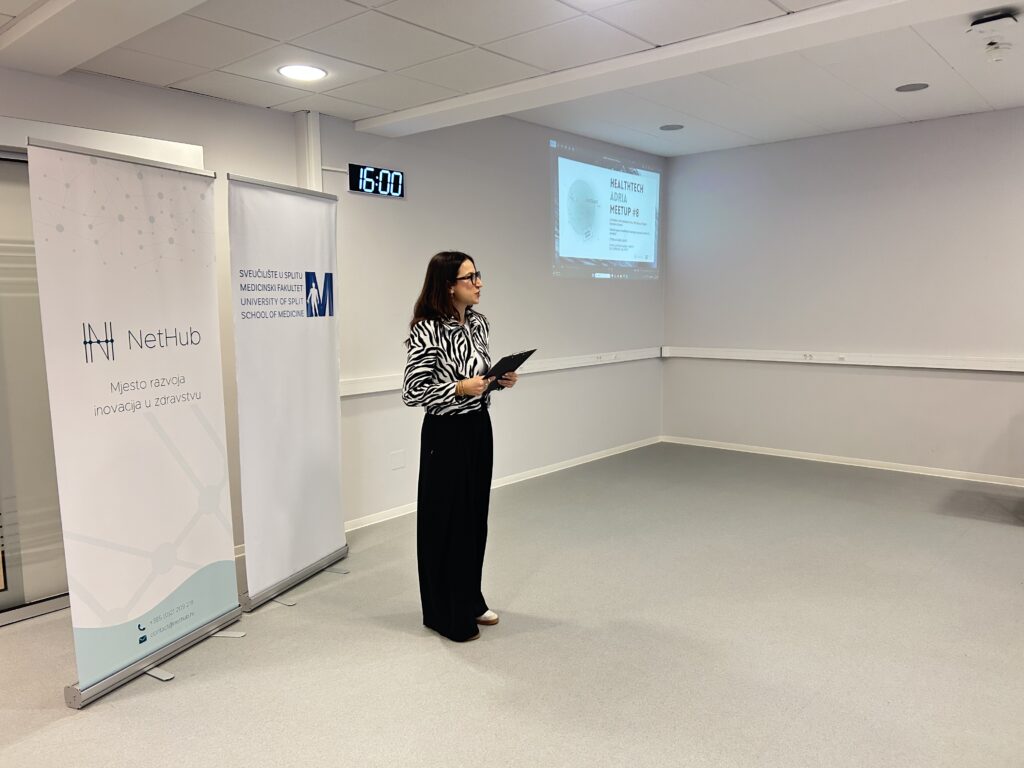
The programme itself followed a carefully structured progression, starting with Marko Mimica, CEO of NetHub, who set the stage by introducing the role of mentorship and ecosystem support in health innovation. His presentation focused on how innovation in healthcare does not happen in isolation, but rather through continuous collaboration between researchers, clinicians, entrepreneurs, and support organizations, all of which play a role in moving ideas from early stages towards real-world application.
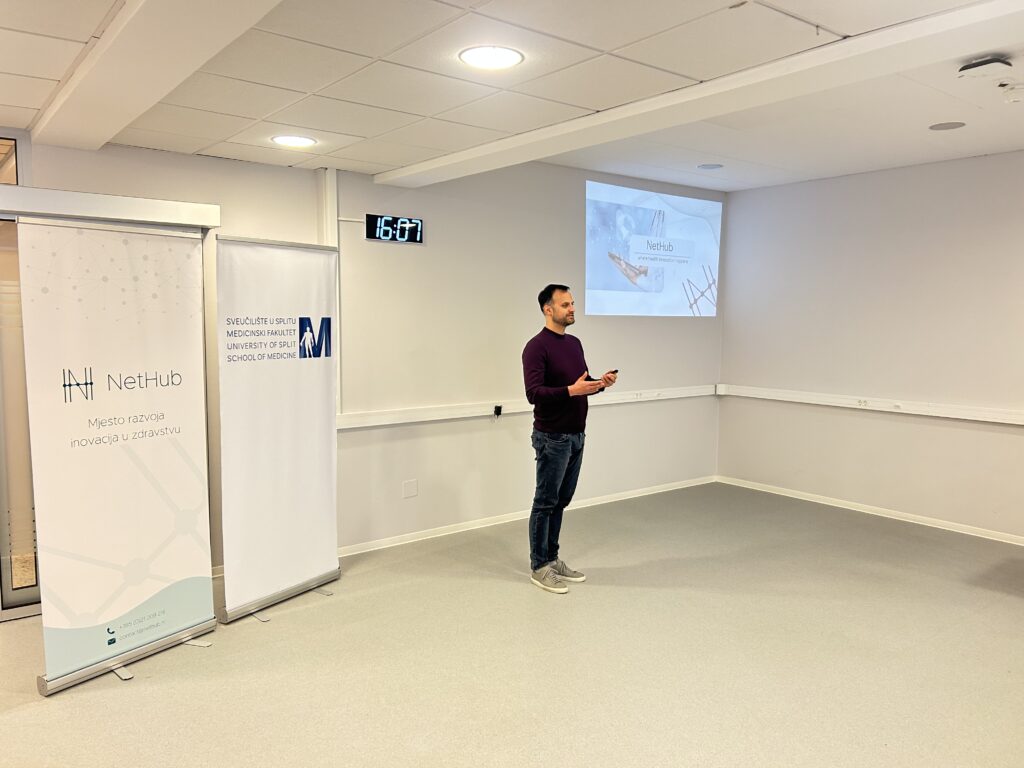
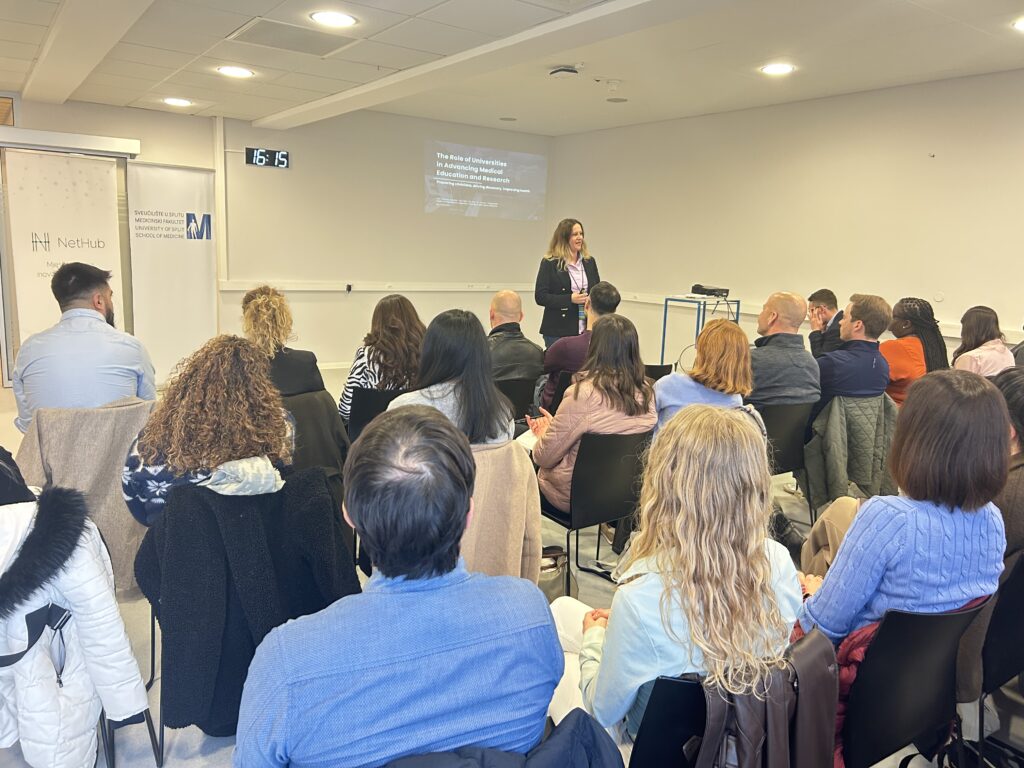
The programme continued with Prof. Katarina Vukojević, Vice-Dean for Science, Postgraduate Studies and International Cooperation, who offered a broader academic perspective on the evolving role of universities in modern healthcare systems. In her presentation, she emphasized that medical schools today are no longer limited to education and research alone, but are increasingly becoming active contributors to innovation ecosystems, particularly through their ability to connect scientific knowledge with clinical practice and real-world application.
She also highlighted the importance of international collaboration in strengthening research and innovation capacity, referring to ongoing and developing partnerships with universities in the United States, including Penn State University. These collaborations were presented not only as academic exchanges, but as strategic bridges that enable knowledge transfer, joint research, and exposure to different healthcare systems, all of which are essential for preparing students and researchers to operate in a global environment.
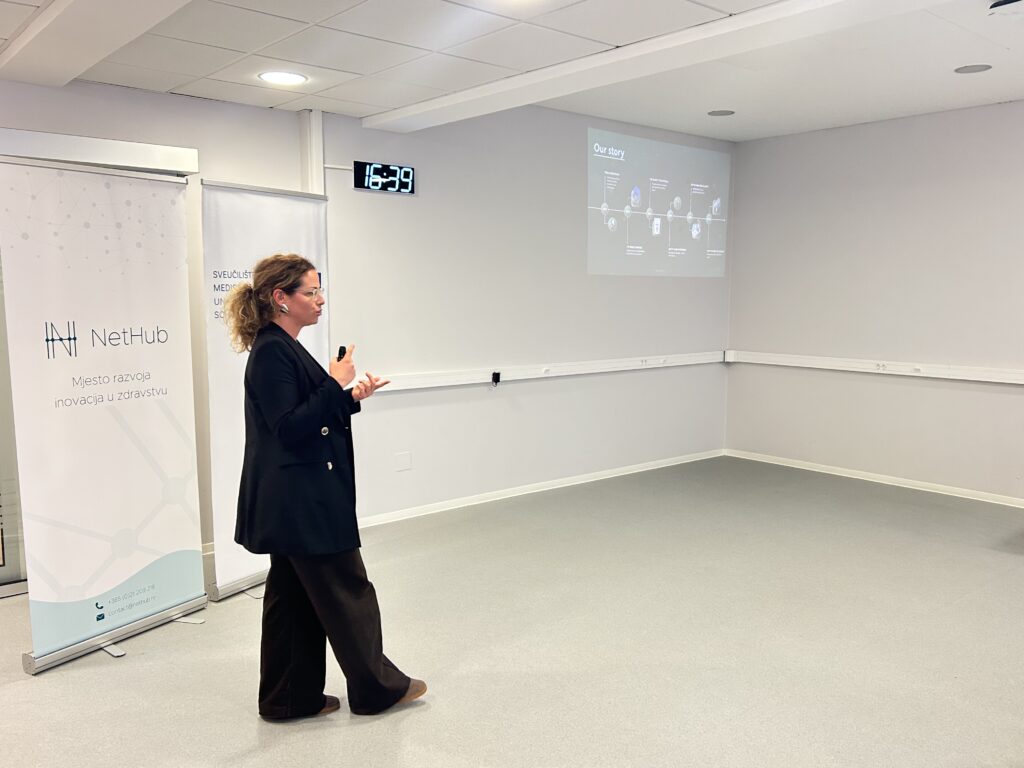
The transition from academia to entrepreneurship was then further explored through the presentation of Ena Melvan, CEO of Metabelly, who shared a candid and experience-driven perspective on the journey from scientific discovery to market-ready innovation. Her talk illustrated how the path from research to product is rarely straightforward, requiring continuous adaptation, resilience, and a deep understanding of user needs.
Through the example of Metabelly, she demonstrated how scientific insights into the microbiome can be translated into digital tools and personalized solutions, combining data, technology, and healthcare expertise. At the same time, she emphasized that building a startup in this space demands navigating uncertainty, long development cycles, and the challenge of aligning scientific validity with market expectations – a reality that resonated strongly with the audience.
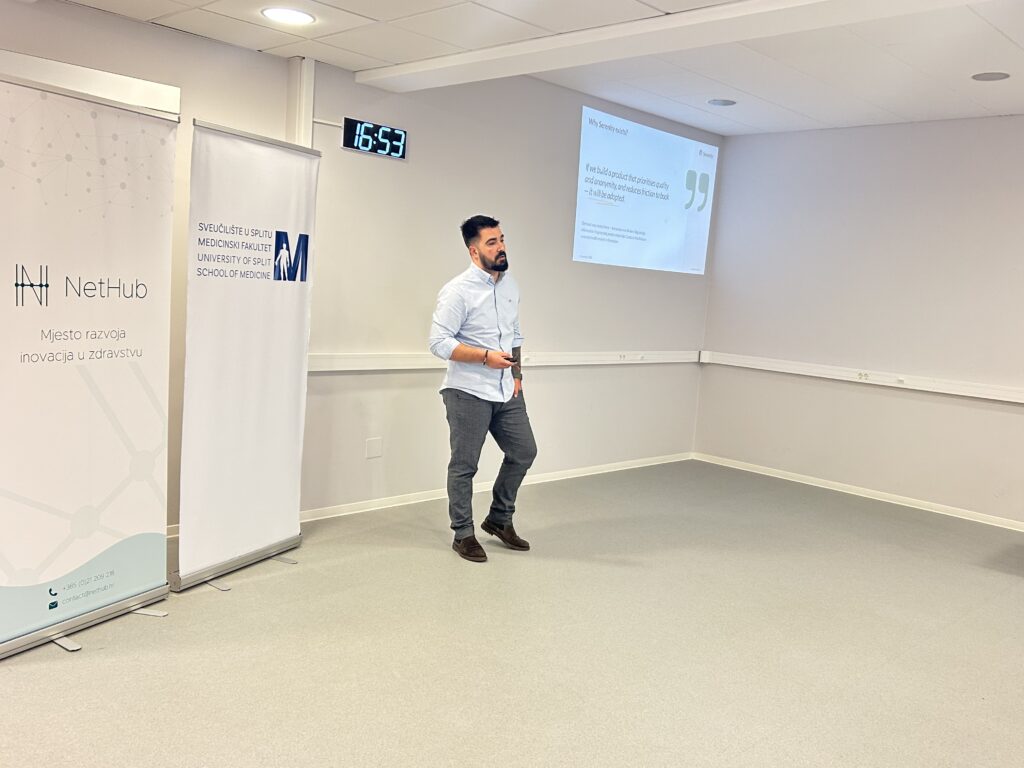
Building on this, Duje Mihovilović, CEO of Serenity, presented a concrete example of how an idea can evolve into a structured startup addressing real healthcare needs. His presentation focused on the development of Serenity as a platform responding to key challenges in mental healthcare, including long waiting times, limited accessibility, and the stigma associated with seeking support.
He explained how the solution was designed to enable faster and more discreet access to professionals, while placing strong emphasis on user trust, privacy, and usability as central elements of the product. Beyond the technical solution itself, the presentation provided insight into the process of validating the idea, refining the concept, and navigating early-stage development, illustrating the complexity behind what often appears as a simple product from the outside.
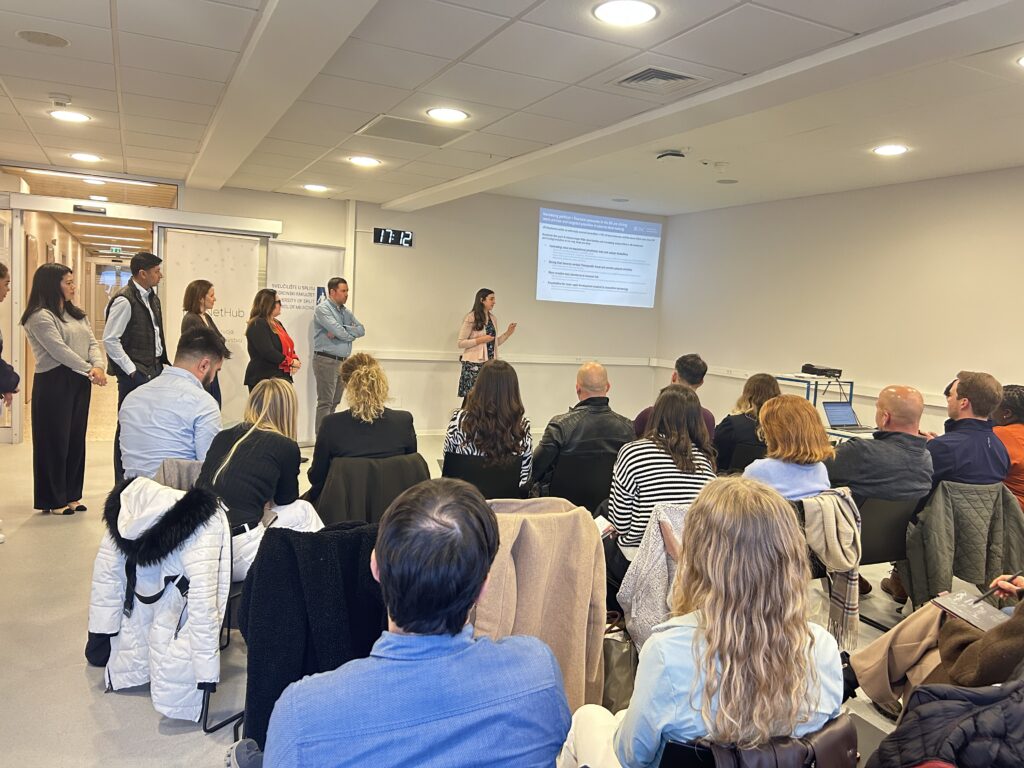
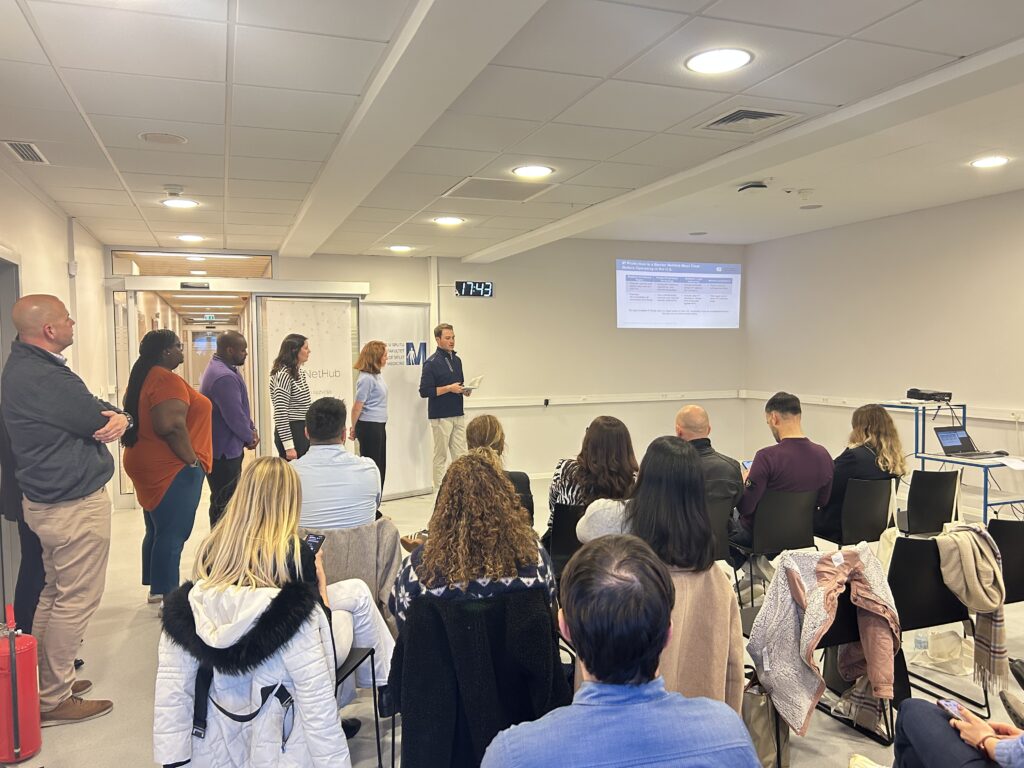
The final and most dynamic segment of the event was dedicated to the MBA Student Challenge presentations delivered by students from UNC Kenan-Flagler Business School, who presented the outcomes of their work on real-world challenges related to entering the U.S. health innovation market.
Their work was structured around two key questions, reflecting some of the most critical aspects for any startup aiming to scale internationally. The first presentation focused on Market Landscape Analysis, where students explored the defining characteristics of the U.S. healthcare system, highlighting its scale, fragmentation, and the complex relationships between providers, payers, and patients. Their analysis emphasized that understanding these dynamics is essential for developing a viable business model and positioning a solution effectively within the market.
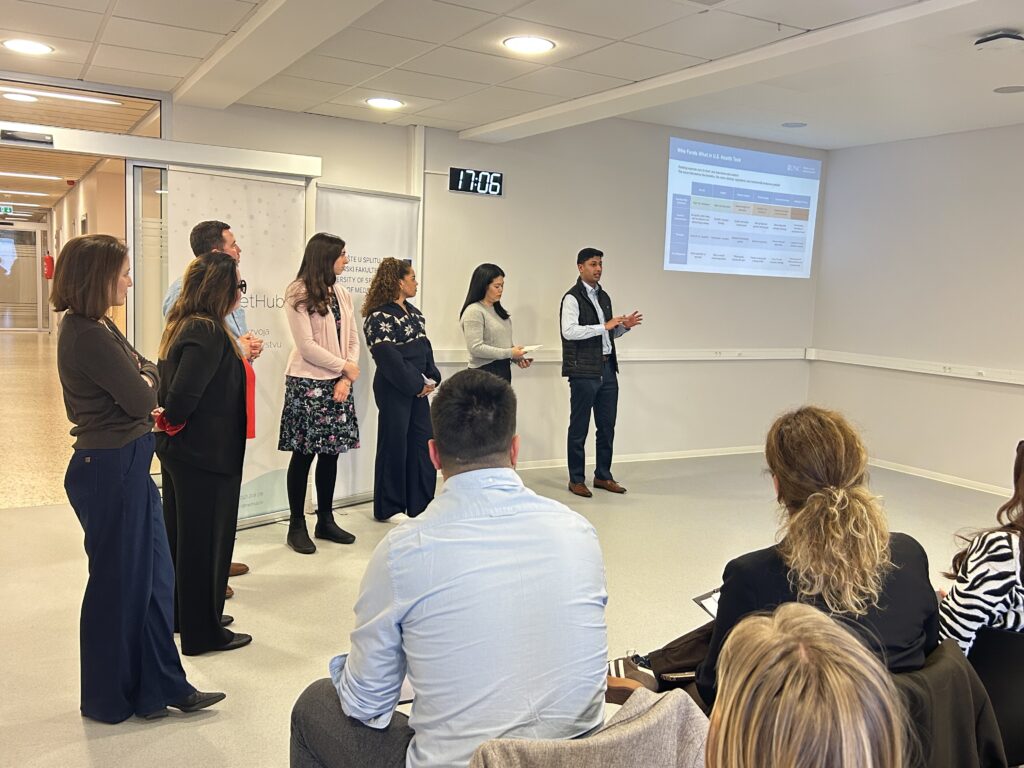
The second presentation addressed Regulatory and Compliance Analysis, offering a detailed overview of the regulatory pathways and requirements that companies must navigate when entering the U.S. market. Particular attention was given to FDA processes, data protection regulations, and the importance of aligning clinical validation with regulatory expectations, all of which represent significant barriers but also necessary steps toward building a credible and scalable solution.
Each presentation was followed by a dedicated Q&A session, which quickly evolved into an engaging discussion, with participants exploring practical implications, asking critical questions, and reflecting on how these insights could be applied within their own projects and contexts.
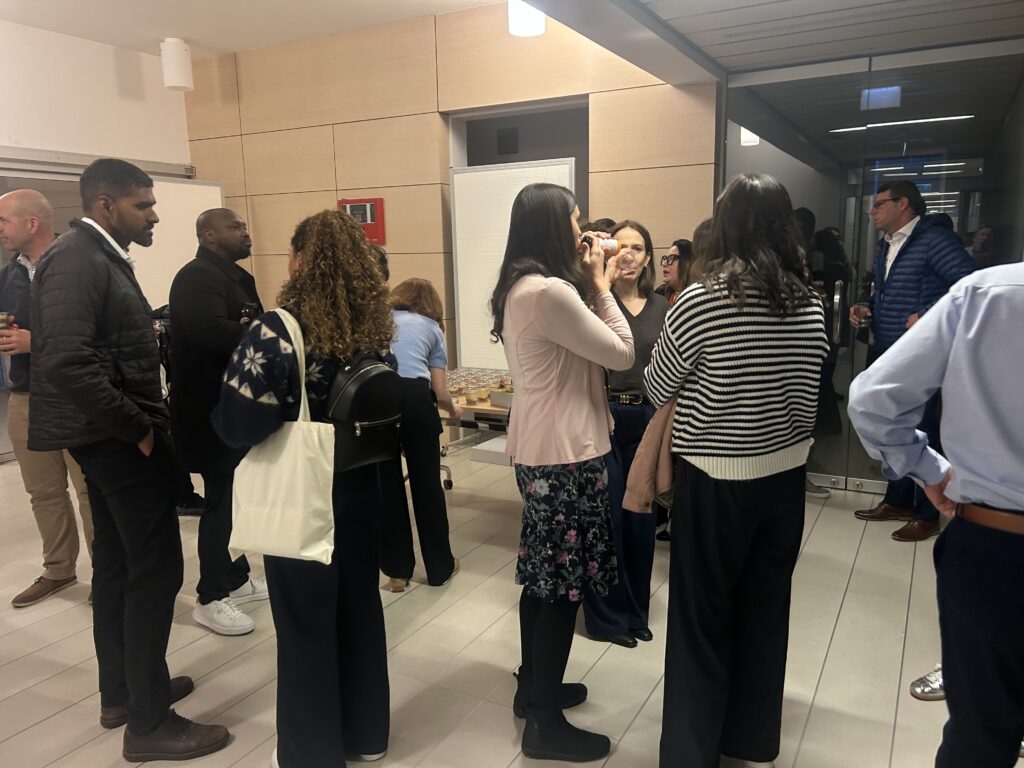
The event concluded with a networking session, where conversations continued in a more informal setting, allowing participants to exchange ideas, reflect on what they had heard, and explore potential collaborations. There was a noticeable sense of shared curiosity and momentum, as discussions moved beyond presentations and into concrete possibilities for future work and cooperation.
What made this edition particularly impactful was not only the content itself, but the way it brought together different perspectives: academic, entrepreneurial, and international, into a single, coherent experience. By combining student-driven challenges, real startup journeys, and global insights into healthcare markets, the meetup created a space where ideas could be tested, questioned, and further developed.
More than anything, it demonstrated how valuable it is to create environments where learning is not passive, but interactive, grounded in real challenges, and connected to real-world contexts. It is precisely within such environments that innovation begins to take shape, not as an abstract concept, but as a process driven by people, collaboration, and a shared willingness to explore what comes next.